
Pianist PDF: A Comprehensive Guide
Pianist PDFs offer convenient access to a vast library of sheet music, ranging from classical masterpieces to popular game arrangements. These digital scores are readily available for download, printing, and viewing on various devices.
Resources include free options, licensed websites, and even Python-based systems for audio transcription into PDF format, catering to all skill levels – from beginner (level 1) to advanced (level 6).
What is a “Pianist PDF”?
A “Pianist PDF” fundamentally refers to a digital document, formatted in Portable Document Format (PDF), containing sheet music specifically designed for piano performance. These files encapsulate musical notation – including notes, rhythms, dynamics, and articulation – in a universally accessible and easily shareable format.
Unlike traditional printed sheet music, a Pianist PDF offers several advantages. They are easily stored and organized digitally, eliminating the need for bulky binders. They can be instantly accessed on a multitude of devices, including computers, tablets, and smartphones, facilitating practice and performance anywhere. Furthermore, PDFs allow for zooming and annotation, enhancing the learning experience.
The content within a Pianist PDF can vary widely. It might include classical compositions, contemporary arrangements, popular song transcriptions, or even original pieces. Many PDFs are created from scanned images of existing sheet music, while others are digitally composed using music notation software. The availability of Pianist PDFs has dramatically increased due to the rise of digital sheet music distribution and online music communities, offering both free and commercially licensed options.
Essentially, a Pianist PDF is a modern, versatile, and convenient way to access and utilize piano sheet music.
The Rise of Digital Sheet Music
The transition from traditional printed sheet music to digital formats, particularly Pianist PDFs, represents a significant shift in the music industry. This rise is fueled by several converging factors, primarily the increasing accessibility of digital technology and the internet.
Historically, musicians relied on purchasing physical copies of sheet music from stores. This process was often expensive, limited by geographical location, and prone to wear and tear. Digital sheet music bypasses these limitations, offering instant access to a vast library of scores from anywhere with an internet connection.
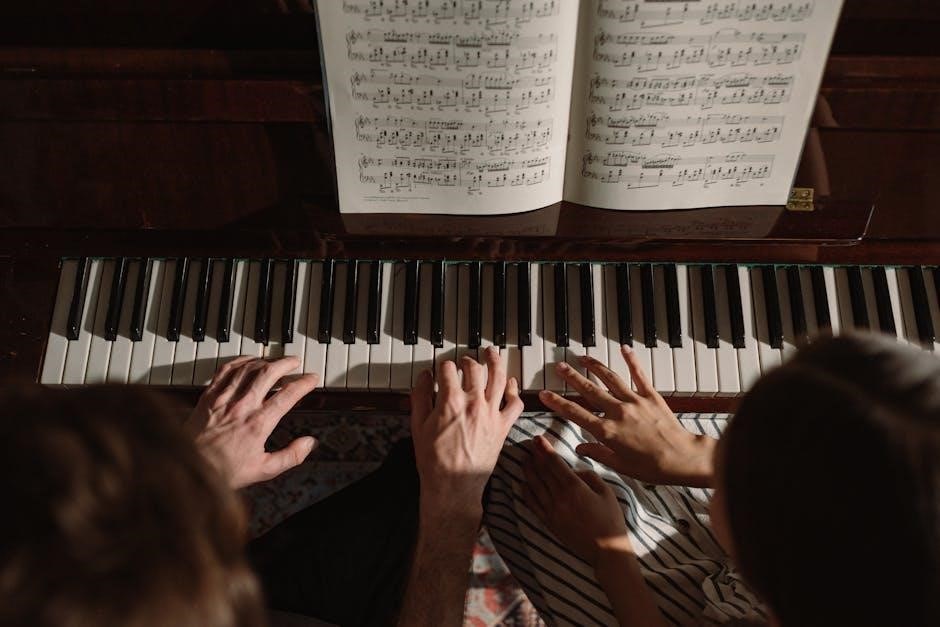
The proliferation of online sheet music websites and repositories has been crucial. These platforms provide both free and paid options, catering to diverse needs and budgets. Simultaneously, advancements in scanning and Optical Music Recognition (OMR) technology have enabled the conversion of existing printed music into editable and shareable PDF files.

Furthermore, the convenience of viewing Pianist PDFs on tablets and smartphones, coupled with features like zooming and annotation, has made digital sheet music increasingly appealing to musicians of all levels. This trend is expected to continue, with digital formats becoming the dominant form of sheet music distribution.
Sources for Free Pianist PDFs
Finding free Pianist PDFs requires navigating a landscape of varying legality and quality. Numerous online repositories offer public domain classical sheet music, providing a treasure trove of works by composers whose copyrights have expired. These sources are entirely legal and ethical for accessing older pieces.
However, caution is advised when encountering websites offering contemporary or copyrighted music for free. Such downloads may infringe on copyright laws. Legitimate websites sometimes offer limited selections of free scores as promotional material or samples.
Dedicated sheet music communities and forums often feature user-submitted transcriptions and arrangements, some of which are available for free download. Websites specializing in free sheet music for all instruments, including piano, are also valuable resources.
Repositories containing game BGM arrangements, from classic family computer games to modern Nintendo Switch titles, frequently provide piano versions in PDF format. Andersonstown Music School also provides resources in PDF format. Remember to always verify the legality of the source before downloading any copyrighted material.

Popular Game Music Arrangements in PDF Format
The demand for piano arrangements of video game soundtracks in PDF format has surged in recent years, fueled by the growing popularity of gaming and the desire for musicians to recreate beloved themes. A wide range of game Background Music (BGM) is available, spanning decades of gaming history – from the iconic tunes of family computers to the orchestral scores of Nintendo Switch games.
Popular choices frequently include themes from franchises like The Legend of Zelda, Final Fantasy, Super Mario, and Pokémon. These arrangements cater to varying skill levels, with simplified versions for beginners and complex, virtuosic pieces for advanced pianists.
Many online communities and websites specialize in creating and sharing these arrangements, often offering them as free downloads or for purchase. The availability of Pianist PDFs allows gamers and musicians alike to enjoy and perform their favorite game soundtracks on the piano.
The accessibility of these arrangements fosters a vibrant community of players and arrangers, constantly expanding the repertoire of available game music for piano.
Wojciech Kilar’s “The Pianist” Sheet Music
Wojciech Kilar’s poignant score for Roman Polanski’s film, “The Pianist,” has become a staple in the repertoire of many piano players. Specifically, the piece titled “Temat z filmu Pianista” (Theme from The Pianist), composed in 2002, is frequently sought after in PDF format.
The emotional depth and melodic beauty of Kilar’s composition make it a compelling choice for pianists of intermediate to advanced skill levels. Pianist PDFs of this work are readily available online through various sheet music websites and online libraries.
These digital scores allow musicians to easily access, print, and study the intricacies of Kilar’s arrangement. The availability of PDF versions ensures that the music is accessible to a wider audience, fostering appreciation for both the film and the composer’s artistry.
The enduring popularity of “The Pianist” and its evocative soundtrack continues to drive demand for accurate and well-formatted sheet music in PDF form, allowing pianists to connect with this powerful and moving piece.
Public Domain Classical Piano Sheet Music PDFs
A significant advantage for pianist PDFs lies in the wealth of classical sheet music now in the public domain. This means countless compositions by masters like Bach, Beethoven, Mozart, and Chopin are freely available as downloadable PDF files.
These resources offer an invaluable opportunity for learners of all levels – from beginner (level 1) to intermediate – to access high-quality sheet music without cost. Printable PDFs on easy to intermediate levels are particularly abundant, providing a solid foundation for developing technique and musicality.
Websites dedicated to free sheet music curate extensive collections of these public domain works, categorized by composer, period, or difficulty. This accessibility democratizes music education, allowing anyone with a piano and an internet connection to explore the classical repertoire.
The availability of pianist PDFs in the public domain fosters a vibrant community of musicians sharing and preserving these timeless compositions, ensuring their continued enjoyment for generations to come.
Sheet Music Websites Offering PDF Downloads
Numerous websites specialize in providing sheet music, with many offering convenient PDF download options for pianists. These platforms range from those offering free, licensed content to subscription-based services with extensive catalogs.
Several sites allow instant printing of PDF scores after purchase, catering to musicians needing immediate access to music. Many also provide companion apps for iOS and Android devices, enabling viewing and practice on the go. These services often feature interactive elements, such as adjustable tempo and page turning.
The largest libraries of licensed sheet music on the web boast an impressive selection, covering diverse genres and skill levels. Users can browse and preview scores before downloading, ensuring they find the perfect piece.
Furthermore, some platforms offer arrangements of popular game music in PDF format, expanding the repertoire available to pianist PDFs enthusiasts. These websites represent a modern and efficient way to access and enjoy sheet music.
Sheet Music for Various Instruments ⸺ Including Piano
While focused on pianist PDFs, many online resources offer sheet music for a wide array of instruments, creating a comprehensive musical library. This includes scores for wind instruments like flutes and clarinets, string instruments such as violins and cellos, and choral arrangements.
These platforms often categorize music by instrument, making it easy for musicians to find relevant scores. Classical guitar, banjo, mandolin, and accordion music are also frequently available, catering to diverse musical tastes.
The availability of sheet music extends beyond traditional orchestral instruments, encompassing less common options. This broad selection allows musicians to explore different genres and expand their musical horizons.

However, the core offering consistently includes a substantial collection of piano sheet music, often in PDF format, making it a central focus for many of these websites. This accessibility ensures pianists have ample resources for learning and performance, alongside options for other instrumentalists.
Andersonstown Music School Resources (PDFs)
Andersonstown Music School provides a collection of resources in PDF format, encompassing both traditional and contemporary music. These materials are designed to support students and educators alike, offering a valuable learning aid for various skill levels.
The school’s digital library appears to be extensive, spanning multiple pages – from page 2 through at least page 13, suggesting a substantial catalog of sheet music and educational materials. While the specific content isn’t detailed, the format indicates accessibility and ease of distribution.
It’s reasonable to assume that these PDF resources include piano sheet music, given the school’s focus on musical education. The availability of digital materials allows students to practice and learn remotely, enhancing the flexibility of their musical journey.
These resources likely cover a range of musical styles and techniques, catering to diverse student needs. The PDF format ensures compatibility across various devices, making learning convenient and accessible for all.

Utilizing Online Sheet Music Libraries
Online sheet music libraries have revolutionized access to pianist PDFs, offering a vast and diverse catalog for musicians of all levels. These platforms provide a convenient way to browse, preview, and download piano scores instantly, eliminating the need for physical copies.
Many libraries boast extensive collections, including both public domain classical pieces and contemporary arrangements. Users can often filter searches by composer, genre, difficulty, and instrument, streamlining the process of finding the perfect sheet music.
Furthermore, these libraries frequently offer features like interactive scores, playback options, and the ability to transpose music to different keys. Some platforms even integrate with mobile devices, allowing musicians to practice on the go.
The ability to view piano scores directly in a web browser, or download them as PDF files for offline access, enhances the learning experience. This accessibility is a significant benefit for pianists seeking to expand their repertoire and refine their skills.
PDF Sheet Music and Mobile Devices
The synergy between pianist PDFs and mobile devices has transformed practice routines and performance capabilities. Smartphones and tablets provide a portable and convenient way to access a vast library of sheet music, eliminating the need to carry bulky binders.

Dedicated PDF reader apps, often optimized for sheet music display, offer features like page turning, annotation tools, and adjustable brightness. Many apps also support Bluetooth pedal integration for hands-free page turning during performances or practice sessions.
Downloading pianist PDFs for offline access ensures uninterrupted practice, even without an internet connection. This is particularly useful for travel or performances in areas with limited connectivity.
Furthermore, mobile devices allow pianists to easily share sheet music with collaborators or students. The combination of portability, accessibility, and enhanced features makes PDFs on mobile devices an invaluable tool for modern musicians, fostering a more flexible and efficient learning experience.
Converting Audio to Sheet Music PDF (Python-Based Systems)
Emerging technologies leverage the power of Python to automatically transcribe audio recordings of piano performances into sheet music PDFs. These systems represent a significant advancement for pianists seeking to digitize their improvisations or analyze existing pieces.
Typically, these Python-based systems employ algorithms for pitch detection, rhythm analysis, and note recognition. The transcribed data is then formatted into standard musical notation using libraries capable of generating PDF output.
Currently, these systems are most effective with beginner-level piano recordings, due to the complexities of polyphonic music and nuanced performance techniques. However, ongoing research and development are continually improving accuracy and expanding capabilities.
Users can access these tools through online platforms or by running the Python code locally. This technology offers a valuable resource for pianists, enabling them to create personalized sheet music arrangements and explore new avenues for musical creativity and analysis.
Understanding Sheet Music Levels (1-6)
When navigating pianist PDFs, understanding the assigned difficulty level is crucial for selecting appropriate pieces. A common grading system ranges from 1 to 6, indicating increasing technical and musical demands.
Level 1 sheet music typically features simple melodies with basic rhythms, ideal for absolute beginners. Level 2 introduces slightly more complex rhythms and hand positions, building foundational skills. Levels 3 and 4 incorporate more challenging chords, scales, and key signatures, suitable for early intermediate players.

Intermediate pianists will find themselves progressing through levels 5 and 6. Level 5 introduces more intricate passages, dynamic variations, and expressive phrasing. Level 6 represents advanced repertoire, demanding significant technical proficiency, musicality, and interpretive skills.
These levels serve as a guideline, and individual experiences may vary. Accessing Pianist PDFs categorized by level allows learners to progressively develop their skills and confidently tackle increasingly challenging compositions.
Navigating and Viewing Piano Scores Online
Accessing pianist PDFs online offers a convenient and expansive library of sheet music. Many websites allow you to browse and view scores directly within your web browser, eliminating the need for immediate downloads. This is particularly useful for previewing pieces before committing to a print or purchase.
Features often include zoom functionality for detailed examination of notes and markings, page turning controls for seamless reading, and search capabilities to quickly locate specific compositions. Some platforms also offer interactive elements, such as playback options and adjustable tempos.
Alternatively, downloading the PDF file allows for offline access and compatibility with various PDF readers. Utilizing online libraries provides access to thousands of piano scores on any device, offering flexibility and portability for practice and performance.
Effective navigation requires familiarity with basic sheet music notation and the platform’s interface, ensuring a smooth and enjoyable learning experience with Pianist PDFs.
Licensing and Copyright Considerations for PDFs
When utilizing Pianist PDFs, understanding licensing and copyright is crucial. Many sheet music pieces are protected by copyright, meaning unauthorized reproduction or distribution is illegal. Websites offering sheet music downloads often operate under licensing agreements with publishers, allowing legal access for a fee or subscription.
Free PDFs may fall into the public domain – compositions where copyright has expired – or be offered with specific usage permissions. Always verify the source and licensing terms before downloading or sharing sheet music.
Using illegally obtained PDFs not only infringes on copyright but also supports unethical practices. Reputable sheet music websites provide legally licensed scores, ensuring composers and publishers are compensated for their work.
Respecting copyright fosters a sustainable ecosystem for music creation and distribution. Carefully review terms of service and licensing agreements to ensure compliance when working with Pianist PDFs.
Printing Sheet Music PDFs: Best Practices
Printing Pianist PDFs effectively requires attention to detail for optimal readability. Begin by selecting the “Print” option within your PDF reader and verifying the page size matches standard sheet music dimensions (typically 8.5 x 11 inches or A4).
Disable scaling options to prevent distortion of notes and markings. Choose “Actual Size” or a similar setting to ensure accurate reproduction. Select high-quality print settings for crisp lines and clear notation.
For double-sided printing, confirm your printer supports it and select the appropriate option to avoid misalignment. Consider using heavier-weight paper to prevent bleed-through and enhance durability.
Before printing an entire score, print a test page to verify the layout and legibility. Adjust settings as needed. Properly printed Pianist PDFs will enhance your learning and playing experience, providing a clear and accurate representation of the music.
PDF Readers and Sheet Music Display
Choosing the right PDF reader significantly impacts the experience of viewing Pianist PDFs; Adobe Acrobat Reader remains a popular choice, offering robust features and reliable rendering. However, alternatives like Foxit Reader and SumatraPDF provide lighter-weight options with fast loading times.
When displaying sheet music, utilize features like zoom to adjust the view for comfortable reading. Many readers allow continuous scrolling, enabling seamless navigation through the score. Explore options for adjusting screen brightness and contrast to minimize eye strain during extended practice sessions.
Some PDF readers support reflow text, but this is generally unsuitable for sheet music as it disrupts the precise layout. Ensure your reader accurately displays musical symbols and notation without distortion. Mobile devices offer convenient viewing, with dedicated apps available for iOS and Android.
Experiment with different readers to find one that best suits your preferences and device, optimizing your ability to read and learn from Pianist PDFs.
MIDI Files and Their Relation to Pianist PDFs
MIDI (Musical Instrument Digital Interface) files and Pianist PDFs represent distinct, yet often interconnected, approaches to digital music. MIDI files contain instructions for playing notes – pitch, velocity, and timing – rather than actual audio. They are compact and editable, allowing for customization of instrumentation and tempo.
While a MIDI file doesn’t look like sheet music, it can be a source for creating Pianist PDFs. Software can convert MIDI data into standard musical notation. Conversely, some PDFs may include a companion MIDI file, enabling users to hear the piece played back.
The relationship is particularly relevant in game music arrangements. Many freely available game BGMs are distributed as MIDI, with enthusiasts creating PDF transcriptions for piano performance. Python-based systems are even being developed to automatically transcribe audio (including MIDI-derived audio) into PDF scores.
Understanding this connection allows musicians to leverage both formats – using MIDI for editing and Pianist PDFs for traditional practice and performance.
The Benefits of Using Pianist PDFs for Learning
Pianist PDFs offer numerous advantages for piano students of all levels. Their accessibility is paramount; a vast library of music is available instantly, eliminating the need for physical sheet music purchases and shipping. This is especially beneficial for exploring diverse genres and composers.
Digital scores facilitate practice through features unavailable with traditional print. Users can adjust the tempo, transpose to easier keys, and even annotate directly on the PDF using compatible software. Mobile device compatibility allows for practice anywhere, anytime.
Furthermore, Pianist PDFs often accompany MIDI files, enabling students to hear the correct interpretation and rhythm. The availability of scores categorized by difficulty (levels 1-6) ensures appropriate material selection.

Cost-effectiveness is another key benefit, with numerous free resources available, including public domain classical pieces and game music arrangements. Ultimately, Pianist PDFs empower learners with flexibility, convenience, and a wealth of musical resources.
Future Trends in Digital Piano Sheet Music (PDFs)
The landscape of digital piano sheet music, particularly Pianist PDFs, is poised for significant evolution. We can anticipate increased integration of Artificial Intelligence (AI) to enhance transcription accuracy from audio sources, building upon existing Python-based systems. Expect more sophisticated annotation tools within PDF readers, allowing for real-time feedback and personalized learning experiences.
Interactive PDFs will likely become commonplace, featuring embedded audio playback synchronized with the score, and potentially offering virtual accompaniment. Blockchain technology could address copyright concerns and ensure fair compensation for composers.
Augmented Reality (AR) applications may overlay digital sheet music onto a physical piano, guiding finger placement and providing visual cues. The demand for arrangements of popular game music in PDF format will likely continue to grow, fueled by the expanding gaming community.
Finally, cloud-based sheet music libraries will offer seamless access across devices and collaborative features for students and teachers, solidifying the Pianist PDF as a central learning tool.