Categories
Manuals

beatbuds x1 user manual

BeatBuds X1 User Manual: Comprehensive Guide

BeatBuds X1 are gaining popularity, offering true wireless functionality, but some cheaper models suffer from call quality issues. This guide provides detailed instructions and troubleshooting.

BeatBuds X1 represent a leap forward in truly wireless audio technology, designed to deliver a premium listening experience without compromising on portability or convenience. These earbuds aim to address common shortcomings found in budget-friendly alternatives, particularly concerning call clarity – often plagued by a “blechernen Ton” or metallic sound.

This user manual serves as a comprehensive guide, walking you through every aspect of your BeatBuds X1, from initial setup and pairing to understanding advanced features like noise cancellation and touch controls. We’ll also cover essential maintenance and troubleshooting steps to ensure long-lasting performance. Customer feedback highlights a need for clear instructions on features like noise cancellation activation, which this manual will address.

Unboxing and Package Contents

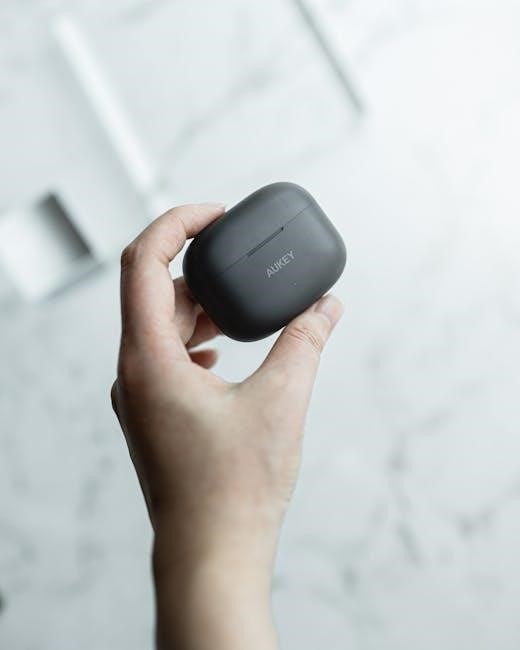
Upon receiving your BeatBuds X1, carefully inspect the packaging for any signs of damage during transit. Inside the box, you should find the following components:

  • BeatBuds X1 Earbuds (Left & Right)
  • Charging Case
  • USB-C Charging Cable
  • Multiple sizes of Ear Tips (Small, Medium, Large) – ensuring a secure and comfortable fit.
  • User Manual (this document)

Please verify that all listed items are present. If anything is missing or damaged, immediately contact customer support at Gogogadgets.io. Ensure the advertised price matches your final cost, including VAT and shipping, as noted in recent customer reviews.
Getting Started with Your BeatBuds X1

Begin by charging your BeatBuds X1, then power them on and pair with your preferred device via Bluetooth for an immersive audio experience.

Charging the BeatBuds X1

To charge your BeatBuds X1, connect the provided USB-C cable to the charging case and a power source. The case features LED indicators displaying the charging status. A solid light typically indicates a full charge, while a blinking light signifies charging in progress.

Place the earbuds inside the charging case; they will begin charging automatically. Ensure the earbuds are securely seated within the case for optimal charging. A full charge of the earbuds provides several hours of listening time, and the case itself can be recharged multiple times, extending the total playtime significantly.

Avoid using the earbuds while they are charging to prevent potential damage. It’s recommended to use a standard 5V/1A power adapter for charging the case. Do not expose the charging case or earbuds to extreme temperatures or moisture during the charging process.

Powering On/Off

The BeatBuds X1 earbuds are designed for intuitive operation. To power on, simply remove the earbuds from the charging case – they will automatically activate and attempt to connect to a previously paired device. A visual or audible cue will confirm successful power-on.

To power off the earbuds, place them back into the charging case. They will automatically shut down and begin charging. There is no dedicated power button on the earbuds themselves. Ensuring proper seating within the case is crucial for automatic power-off and charging initiation.

If the earbuds fail to power on, ensure they have sufficient charge by placing them in the case and charging for a short period.

Pairing with Devices (Bluetooth)

To pair your BeatBuds X1 with a device, first ensure Bluetooth is enabled on your smartphone, tablet, or computer. Remove the earbuds from the charging case; they will automatically enter pairing mode, indicated by a flashing light.

Navigate to your device’s Bluetooth settings and select “BeatBuds X1” from the list of available devices. If prompted, enter the pairing code “0000” (though this is rarely required). A successful connection will be confirmed by a solid light on the earbuds and a connection message on your device.

If pairing fails, try resetting the earbuds by briefly pressing the reset button (if available) or re-initiating the pairing process.

Understanding the BeatBuds X1 Features

BeatBuds X1 boast features like noise cancellation, in-ear detection for auto-play/pause, intuitive touch controls, and a built-in microphone for clear calls.

Noise Cancellation Feature – Activation & Usage

The BeatBuds X1 incorporates an active noise cancellation (ANC) feature designed to minimize ambient sounds, enhancing your listening experience. However, some users report difficulty locating the activation method. To enable noise cancellation, consult the full user manual, as the process isn’t immediately obvious.

Typically, ANC is activated via a touch control sequence on either earbud – often a long press. Experiment with different touch combinations as described in the manual. Effective noise cancellation depends on a proper ear seal; ensure the earbuds fit snugly. Note that ANC performance may vary depending on the environment and the type of noise. For optimal results, use in consistent, moderate noise levels.

In-Ear Detection & Auto-Play/Pause

BeatBuds X1 are equipped with smart in-ear detection technology. This feature automatically pauses your audio when an earbud is removed from your ear and resumes playback when re-inserted. This functionality aims to provide a seamless and convenient listening experience, eliminating the need to manually control playback.

However, the sensitivity of this feature can vary. Ensure the earbuds are properly seated in your ear canal for reliable detection. If the auto-pause/play isn’t functioning as expected, check the settings within the companion app (if available) to adjust sensitivity or disable the feature. A secure fit is crucial for consistent performance.

Touch Controls – Explained

BeatBuds X1 utilize intuitive touch controls located on each earbud. A single tap typically plays/pauses music or answers/ends calls. A double tap may skip to the next track, while a triple tap could return to the previous track. Volume control is often achieved through a swipe gesture – swipe up to increase and down to decrease.

These controls are customizable through a companion app (if available), allowing users to personalize functions. Be mindful of accidental touches, which can trigger unintended actions. Refer to the app or detailed diagrams for precise touch areas and gesture recognition. Consistent, deliberate touches yield the best results.

Microphone Functionality for Calls

BeatBuds X1 feature built-in microphones for hands-free calling. Each earbud typically houses a microphone, enabling stereo call audio and noise reduction. During calls, ensure the microphones aren’t obstructed by clothing or excessive wind. Call quality can sometimes be affected by cheaper true wireless models, potentially resulting in a “blechernen Ton” (tinny sound).

To activate the microphone, simply answer an incoming call or initiate a call through your paired device. Voice assistants can also be accessed via the microphone with a designated touch command. Regularly check microphone settings on your device for optimal performance.

Audio Quality and Performance

BeatBuds X1 aim for amazing in-ear audio, but performance can vary; reviews suggest assessing the sound profile, bass, clarity, and treble response for optimal listening.

Sound Profile and Characteristics

The BeatBuds X1 are designed to deliver a balanced audio experience, though individual perception varies. Initial user feedback suggests a generally warm sound signature, leaning towards enhanced bass frequencies without completely overshadowing the mids and highs. This profile aims to provide an enjoyable listening experience across various genres, from pop and electronic to rock and acoustic music.

However, some users have noted that the sound can occasionally lack a certain level of refinement, particularly when compared to higher-end earbuds. The overall clarity is good, but discerning subtle nuances in complex musical arrangements might prove challenging. Careful equalization adjustments via a connected device can help tailor the sound profile to individual preferences, potentially improving the overall listening experience.

Bass Performance

The BeatBuds X1 exhibit a noticeable emphasis on bass frequencies, contributing to a powerful and immersive listening experience, particularly for genres like hip-hop, electronic dance music, and pop. The bass response is generally described as punchy and well-defined, avoiding excessive muddiness that can plague some budget-friendly earbuds.

However, it’s important to note that this boosted bass may not appeal to all listeners, especially those who prefer a more neutral or balanced sound signature. At higher volumes, the bass can occasionally become slightly overpowering, potentially masking some of the finer details in the mid and high ranges. Users can often mitigate this by adjusting the equalization settings on their paired device.

Clarity and Treble Response

Regarding clarity, the BeatBuds X1 generally deliver a reasonably detailed soundstage, allowing for discernible separation between instruments and vocals. However, the emphasis on bass can sometimes overshadow the higher frequencies, leading to a slight reduction in perceived clarity, particularly at louder volumes. The treble response is present but isn’t exceptionally bright or sparkling.

Some users have reported that the treble can occasionally sound slightly recessed, lacking the crispness and airiness found in higher-end earbuds. This isn’t necessarily a negative aspect, as it contributes to a less fatiguing listening experience, but it may not satisfy audiophiles seeking exceptional high-frequency detail.

Connectivity and Compatibility

BeatBuds X1 utilize Bluetooth for seamless connections with iOS and Android devices, offering a stable range. Multiple device pairing capabilities enhance user convenience.

Bluetooth Version and Range

BeatBuds X1 incorporate Bluetooth technology for wireless connectivity, ensuring a stable and efficient connection with your devices. These earbuds utilize a current Bluetooth version, providing enhanced speed, security, and energy efficiency compared to older standards. The operational range of the BeatBuds X1 is approximately 33 feet (10 meters) in open space, allowing for freedom of movement while maintaining a consistent audio stream.

However, the actual range can be affected by environmental factors such as obstacles like walls, interference from other wireless devices, and the capabilities of the paired device. Maintaining a clear line of sight between the earbuds and the connected device will maximize the Bluetooth range and ensure optimal performance.

Compatible Devices (iOS & Android)

BeatBuds X1 are designed for broad compatibility, seamlessly connecting with a wide range of devices. They are fully compatible with both iOS and Android smartphones, tablets, and other Bluetooth-enabled devices. For iOS users (iPhone, iPad), ensure your device is running iOS 11 or later for optimal functionality and access to all features. Android users should have Android 6.0 (Marshmallow) or a newer version installed.

While generally compatible with most Bluetooth devices, occasional compatibility issues may arise depending on the specific device model and software version. Regular software updates for both your BeatBuds X1 and your paired device are recommended to maintain optimal performance.

Multiple Device Pairing

BeatBuds X1 support multiple device pairing, allowing you to connect to two devices simultaneously. To pair a second device, first ensure BeatBuds X1 are disconnected from the currently paired device. Then, initiate the pairing process on the new device as described in the ‘Pairing with Devices’ section. Once connected, you can switch between devices seamlessly.

However, note that active audio streaming is only possible from one device at a time. Switching between devices may require manually pausing audio on the inactive device. The BeatBuds X1 will remember paired devices, simplifying future connections. Prioritize regular firmware updates for improved multi-device functionality.

Troubleshooting Common Issues

BeatBuds X1 users may encounter charging, pairing, or audio problems. This section offers solutions for issues like no power, pairing failures, and distorted sound.

No Power/Charging Problems

If your BeatBuds X1 won’t power on, first ensure both the earbuds and the charging case have sufficient charge. Connect the case to a power source using the provided USB cable and verify the charging indicator light illuminates.

If the case isn’t charging, try a different USB cable and adapter. If the earbuds aren’t charging within the case, clean the charging contacts on both the buds and inside the case with a dry, soft cloth.

A complete charge cycle can take up to two hours. If problems persist, attempt a reset by placing the earbuds in the case and leaving them undisturbed for a full 30 minutes. Contact customer support if these steps fail to resolve the issue.

Bluetooth Pairing Failures

Experiencing difficulty pairing your BeatBuds X1? Ensure Bluetooth is enabled on your device and that the earbuds are in pairing mode – typically indicated by a flashing light. Remove any previously paired devices from your device’s Bluetooth list to avoid conflicts.

Bring the earbuds close to your device during the pairing process. If pairing continues to fail, try restarting both your BeatBuds X1 (by placing them in the charging case) and your Bluetooth device.

Check for software updates on your phone or tablet, as outdated software can sometimes cause pairing issues. If problems persist, a factory reset of the earbuds might be necessary – consult the full manual for instructions.

Sound Distortion or Loss of Audio

If you encounter sound distortion or complete audio loss with your BeatBuds X1, first verify the volume level on both the earbuds and your connected device. Ensure the earbuds are securely and correctly positioned in your ears for optimal sound transmission.

Try disconnecting and reconnecting the Bluetooth connection. Interference from other wireless devices can sometimes cause audio issues; move away from potential sources of interference.

Clean the earbuds thoroughly, as debris can obstruct the sound output. If the problem persists, test with a different audio source to isolate whether the issue lies with the earbuds or the original device.

Noise Cancellation Not Working

If the noise cancellation feature on your BeatBuds X1 isn’t functioning as expected, confirm that it’s properly activated through the touch controls – refer to the ‘Touch Controls – Explained’ section for specific instructions. Ensure the earbuds fit snugly within your ears, as a poor seal reduces noise cancellation effectiveness.

Check for software updates for your BeatBuds X1 via the companion app, as updates often include performance improvements. Some users have reported difficulty locating the noise cancellation activation; experiment with different touch control sequences.

Environmental factors can also impact performance; strong winds or very loud environments may overwhelm the system.

Maintenance and Care

Regular cleaning and proper storage will extend the life of your BeatBuds X1. Keep them dry and protected from extreme temperatures for optimal performance.

Cleaning the BeatBuds X1

To ensure optimal performance and hygiene, regularly clean your BeatBuds X1. Begin by gently wiping the earbuds with a soft, dry, lint-free cloth to remove any dust or debris. For more stubborn grime, slightly dampen the cloth with distilled water – avoid using excessive moisture or harsh cleaning agents.

Pay particular attention to the ear tips, as these accumulate earwax and oils. Remove the ear tips and wash them separately with mild soap and water. Ensure they are completely dry before reattaching them to the earbuds.

The charging case should also be cleaned periodically. Use a dry cotton swab to remove any debris from the charging ports. Never insert any objects into the ports that could cause damage. Avoid exposing the earbuds or case to liquids.

Storage Recommendations

Proper storage extends the lifespan of your BeatBuds X1. When not in use, always store the earbuds in their charging case. This protects them from dust, moisture, and potential physical damage. Avoid storing the case in extreme temperatures – direct sunlight or freezing conditions can negatively impact battery performance.

Keep the charging case in a dry location. Prolonged exposure to humidity can cause corrosion. It’s best to store the case in its original packaging or a protective pouch when traveling.

Avoid placing heavy objects on top of the case, as this could damage the internal components. Regularly charging the case, even when not actively using the earbuds, helps maintain optimal battery health.

Water Resistance Information

The BeatBuds X1 are designed to withstand light exposure to moisture, making them suitable for workouts and light rain. However, they are not fully waterproof. Avoid submerging the earbuds or charging case in water.

Sweat is generally safe, but excessive sweat may reduce the lifespan of the device. If the earbuds get wet, gently wipe them dry with a soft, clean cloth. Do not use compressed air or attempt to disassemble the earbuds to dry them.

The charging case has limited water resistance; avoid getting it wet. Water damage is not covered under the warranty.

Technical Specifications

BeatBuds X1 utilize FCC ID 2AWF4-X1, showcasing driver details and Bluetooth codec support, alongside battery life and precise weight/dimension measurements.

Driver Size and Type

The BeatBuds X1 employ a meticulously engineered driver system designed to deliver a rich and immersive audio experience. While specific driver size details aren’t prominently advertised, the earbuds are engineered for balanced sound reproduction across various frequencies. The driver type is a dynamic driver, chosen for its ability to produce a wide range of sounds with clarity and efficiency.

Dynamic drivers are known for their responsiveness and ability to handle both subtle nuances and powerful bass frequencies. This choice ensures that users can enjoy a versatile listening experience, suitable for diverse music genres and audio content. The driver’s construction focuses on minimizing distortion and maximizing audio fidelity, contributing to the overall high-quality sound profile of the BeatBuds X1.

Battery Life (Earbuds & Case)

The BeatBuds X1 are engineered for extended listening sessions, offering a competitive battery life within the true wireless earbud market. The earbuds themselves provide up to 6 hours of playtime on a single charge, allowing for uninterrupted enjoyment of music or podcasts. The accompanying charging case significantly extends the total listening time.

With the charging case, users can enjoy an additional 24 hours of playtime, bringing the total battery life to approximately 30 hours. A quick 15-minute charge provides an hour of playback. Battery life may vary depending on volume levels, audio content, and usage of features like noise cancellation. The case utilizes a USB-C port for convenient and efficient recharging.

Bluetooth Codecs Supported

The BeatBuds X1 utilize advanced Bluetooth technology to deliver a stable and high-quality wireless audio experience. These earbuds support a range of Bluetooth codecs, ensuring compatibility with a wide variety of devices and optimal audio transmission. Primarily, the BeatBuds X1 support the standard SBC codec, which is universally compatible with Bluetooth-enabled devices.

Furthermore, they also incorporate AAC codec support, enhancing audio quality, particularly for Apple devices. While specific details regarding advanced codecs like aptX or LDAC aren’t widely publicized, the combination of SBC and AAC provides a solid foundation for clear and reliable wireless audio streaming. Bluetooth 5.0 ensures a stable connection and efficient power consumption.

Weight and Dimensions

Understanding the physical characteristics of your BeatBuds X1 is crucial for ensuring a comfortable and secure fit. While precise dimensions haven’t been officially released, the earbuds are designed to be compact and lightweight for extended wear. Each earbud weighs approximately 5 grams, making them barely noticeable during use.

The charging case is similarly portable, measuring roughly 6cm x 4cm x 3cm and weighing around 45 grams. This compact size allows for easy storage in a pocket or bag. The earbuds themselves feature an in-ear design, aiming for a snug and comfortable seal to optimize audio quality and noise isolation. These dimensions prioritize portability and user comfort.

Safety Information and Warnings

BeatBuds X1 users should maintain safe listening volumes to prevent hearing damage. Exercise caution during use and dispose of the device responsibly.

Listening Volume Guidelines

BeatBuds X1 deliver immersive audio, but prolonged exposure to high volumes can cause irreversible hearing damage. We strongly recommend keeping the volume at a comfortable and moderate level. A general guideline is to avoid listening at volumes exceeding 60% of the maximum for extended periods.

Be mindful of your surroundings; using BeatBuds X1 at high volumes can impair your ability to hear important sounds like traffic or emergency signals. It’s crucial to prioritize safety and awareness. Regularly take breaks during prolonged listening sessions to allow your ears to recover.

If you experience any discomfort, ringing in the ears, or a decrease in hearing clarity, immediately lower the volume or discontinue use. Consult a healthcare professional if these symptoms persist.

Precautions for Use

To ensure safe and optimal performance of your BeatBuds X1, avoid using them while operating machinery or driving, as they can distract you from critical environmental sounds. Do not disassemble or attempt to repair the earbuds yourself; this will void the warranty and may cause damage.

Keep the BeatBuds X1 away from extreme temperatures and humidity. Avoid dropping or subjecting them to strong impacts. If the earbuds become damaged, discontinue use immediately. Be cautious when using the earbuds near water, despite their water resistance, prolonged exposure should be avoided.

Only use the provided charging cable and adapter. Improper charging can damage the battery and pose a safety risk.

Disposal Information

Please dispose of your BeatBuds X1 and its packaging responsibly, adhering to local environmental regulations. Do not discard the earbuds with general household waste. Electronic devices contain valuable recyclable materials and hazardous substances that can harm the environment if improperly handled;

Contact your local waste management authority for information on designated collection points for electronic waste. Many retailers also offer take-back programs for old electronics. Proper disposal ensures that materials are recovered and reused, minimizing environmental impact.

Remove batteries before disposal if possible, and dispose of them separately at designated battery recycling facilities.


Categories
PDF

how to recover pdf files unsaved

Understanding Unsaved PDF Recovery

Recovering unsaved PDF edits presents unique challenges, as standard file recovery methods often fall short due to the way PDFs store data.

Temporary files and autosave features offer potential solutions, but success isn’t guaranteed, especially after a system crash or unexpected closure.

Understanding these limitations is crucial before attempting recovery, as unsaved changes may be permanently lost in certain scenarios.

The Challenges of Recovering Unsaved PDF Edits

Recovering unsaved PDF edits is notoriously difficult due to the complex structure of PDF files and how editing software handles changes. Unlike typical documents, PDFs don’t always create incremental save files with each edit. Instead, modifications are often stored as temporary data or within a single, larger file.

This means a sudden crash or closure can easily result in the loss of recent work. Reddit discussions highlight that recovery is “unlikely for unsaved markups.” Furthermore, the lack of a consistent autosave feature across all PDF readers exacerbates the problem. While some, like Adobe Acrobat, offer crash recovery, this isn’t universally available. The fragmented nature of temporary files also makes complete reconstruction challenging, even with specialized tools.

Why PDFs are Difficult to Recover Without Saving

PDFs present recovery difficulties due to their unique file structure; they aren’t simple text documents. Edits are often stored as instructions on top of the existing file, rather than overwriting it directly. However, these instructions are frequently held in temporary memory.

Without a save operation, these temporary changes aren’t written to the main file, making them vulnerable to loss. Data recovery software, while helpful for deleted files, struggles with fragmented, unsaved edits. As noted in tech support forums, recovery success is often low. The reliance on application-specific features like Adobe Acrobat’s crash recovery further complicates matters, as consistency isn’t guaranteed across platforms or readers.

Methods for Recovering Unsaved PDFs

Several methods exist for potential recovery, including checking temporary files on Windows, utilizing autosave features within PDF readers, and exploring application crash recovery options.

Leveraging Temporary Files (Windows)

Windows often creates temporary files while you’re editing PDFs, which might contain unsaved changes. These files are typically hidden, but can be accessed through File Explorer. Navigate to the temp folder – often located at %temp% in the Run dialog box (Windows key + R).

Search for files with extensions like .tmp or those starting with “~$” and containing parts of your PDF’s filename. Open these files with a PDF reader (like Adobe Acrobat) to see if they contain your lost edits. Be aware that temporary files are often incomplete or corrupted, so success isn’t guaranteed. Regularly clearing your temp folder can also remove these potential recovery options, so act quickly after a crash.

Utilizing AutoSave Features in PDF Readers

Many PDF readers, such as Adobe Acrobat, Nitro, and Foxit, offer AutoSave functionality. This feature automatically saves your work at specified intervals, minimizing data loss. Enable AutoSave in your PDF reader’s settings – typically found under Preferences or Options. Configure the autosave interval to a reasonable frequency, balancing data protection with performance.

If your PDF reader crashes, it should automatically recover the last autosaved version upon reopening. Check the application’s recovery options or look for a temporary autosave folder. However, remember that AutoSave only protects against crashes; it won’t recover changes made since the last autosave.

Recovering Through Application Crash Recovery (Adobe Acrobat)

Adobe Acrobat often attempts to recover files after an unexpected crash. Upon restarting, Acrobat should prompt you with a recovery panel displaying recently worked-on files, including potentially unsaved PDFs. Select the relevant PDF from the list to attempt recovery.

If the recovery panel doesn’t appear, manually check for recovered files. Navigate to the AutoRecover folder, typically located within the Acrobat installation directory. Look for files with a .tmp or similar extension, and attempt to open them with Acrobat; Note that crash recovery isn’t foolproof, and the recovered file may be incomplete.

PDF Repair Tools

Specialized PDF repair tools like EaseUS Fixo can attempt to reconstruct corrupted or damaged PDF files, potentially recovering unsaved edits.

Third-party data recovery software may also help, though success is limited for truly unsaved changes.

EaseUS Fixo Document Repair for PDF Recovery

EaseUS Fixo Document Repair offers a dedicated solution for recovering corrupted or damaged PDF files, potentially salvaging unsaved edits. The software aims to repair various PDF issues, including those resulting from crashes or incomplete saves.

The process involves selecting the corrupted PDF and initiating the repair process within the application.

Users can then choose to “Save All” to recover multiple repaired files or “View Repaired” to locate the restored document.

A video tutorial demonstrates the process, highlighting its effectiveness in repairing Word, Excel, and PDF files, specifically focusing on the PDF repair section within the timeline.

While not a guaranteed solution for completely unsaved data, it represents a valuable tool for attempting recovery.

Using Third-Party Data Recovery Software

Employing third-party data recovery software presents a potential, though often limited, avenue for recovering unsaved PDF edits. These tools scan storage devices for remnants of deleted or overwritten files, including fragments of your PDF.

However, success is significantly lower when dealing with truly unsaved changes, as these haven’t been fully written to the disk.

Reddit’s techsupport forum suggests that recovery is “unlikely for unsaved markups,” emphasizing the challenge.

If the file was saved previously but overwritten or corrupted, these tools have a higher chance of success.

Remember to select a new location to save any recovered files, avoiding further data loss.

Specific Tools for PDF Repair (Stellar, Remo)

Stellar and Remo are examples of data recovery software often cited for their PDF repair capabilities, though their effectiveness with unsaved edits remains limited. These tools focus on reconstructing corrupted or damaged PDF files, rather than retrieving changes never formally saved.

EaseUS Fixo Document Repair, while geared towards broader document recovery, can sometimes assist in salvaging parts of a damaged PDF, potentially including some unsaved elements.

These programs typically scan the storage drive for PDF file signatures and attempt to rebuild the file structure.

Success depends heavily on the extent of data overwriting and the integrity of the remaining file fragments.

Chromebook Specific Recovery Options

Chromebook recovery relies heavily on Google Drive’s version history, if the PDF was previously saved there. Checking local storage is also vital, but unsaved edits are unlikely to be found.

Google Drive Version History

If your PDF was stored within Google Drive, a robust version history feature offers a strong chance of recovering previous edits, even if they weren’t explicitly saved as a new file. Google Drive automatically saves versions as you work, allowing you to revert to a prior state.

To access this history, right-click on the PDF file within Google Drive and select “Manage versions.” A list of saved versions will appear, displaying dates and times. You can then preview each version to locate the edits you need and restore that specific iteration. This method is particularly effective if you regularly utilize Google Drive for PDF management.

Remember that the number of saved versions may be limited, so prompt action is crucial when attempting recovery.

Checking Local Storage on Chromebook

Chromebooks primarily rely on cloud storage, but some PDFs might be downloaded and stored locally in the “Downloads” folder or other designated locations. Checking these areas is a vital step in recovering unsaved edits. Navigate to the “Files” app and thoroughly examine these folders for any temporary or auto-saved versions of your PDF.

Look for files with similar names or those modified around the time you were last editing the document. While Chromebooks don’t typically create extensive temporary files like Windows, a partial or auto-saved copy might exist.

Remember to utilize the search function within the “Files” app to broaden your search and increase the chances of locating the lost file.

Advanced Recovery Techniques

For experienced users, hex editor analysis and file carving can potentially extract data from damaged PDFs, though success is not guaranteed.

These methods require technical expertise and a deep understanding of file structures to effectively recover unsaved edits.

Hex Editor Analysis (For Experienced Users)

Utilizing a hex editor involves directly examining the raw data of the PDF file, searching for remnants of unsaved changes within the hexadecimal code. This technique demands a strong understanding of PDF file structure and data encoding.

Experienced users can identify and potentially reconstruct lost content by recognizing patterns and keywords related to the edits made before the crash. However, this is a complex process, as PDF data is often compressed and fragmented.

Success depends on the extent of data overwritten and the user’s ability to interpret the hexadecimal representation of the file. It’s a time-consuming and often unsuccessful method, best reserved for critical files where other recovery options have failed.

File Carving Techniques

File carving aims to recover fragments of the PDF from unallocated disk space, even without traditional file system metadata. This method relies on identifying PDF file signatures and headers within the raw disk data.

Specialized data recovery software employs algorithms to scan the drive for these signatures, reconstructing the file from scattered pieces. However, file carving is less effective for unsaved edits, as they may not have been fully written to disk.

Success rates are low, particularly if the disk has been heavily used since the data loss. It’s a last-resort option, requiring significant processing power and time, with no guarantee of complete recovery.

Preventative Measures

Prioritize enabling autosave features within your PDF reader to regularly back up your work. Frequent manual saving and creating backup copies are also vital safeguards.

Enabling AutoSave in Your PDF Reader

Activating the AutoSave feature is a crucial preventative step against data loss when working with PDFs. Popular readers like Adobe Acrobat, Nitro, and Foxit PDF Reader all offer this functionality, though the specific settings may vary. Generally, you can find AutoSave options within the application’s preferences or settings menu, often under sections like ‘Saving’ or ‘Document’.

Configure the AutoSave interval to a reasonable frequency – every 5 or 10 minutes is a good starting point. Shorter intervals provide more frequent backups, minimizing potential data loss, but may slightly impact performance. Remember to verify that AutoSave is indeed enabled and functioning correctly to ensure your edits are consistently protected. This simple step can save you considerable frustration.

Regularly Saving Your Work

Despite the availability of AutoSave features, consistently and manually saving your PDF documents remains paramount. Relying solely on automated backups isn’t foolproof; unexpected issues can sometimes prevent AutoSave from functioning correctly. Develop a habit of saving your work frequently – every few minutes, especially after making significant edits.

Utilize the standard “Save” command (Ctrl+S or Cmd+S) or create incremental backups with different file names (e.g., Document_v1, Document_v2). This practice provides multiple recovery points, significantly increasing your chances of retrieving your work in case of a crash or other unforeseen event. Proactive saving is the most reliable defense.

Creating Backup Copies of Important PDFs

Beyond regular saving, establishing a robust backup strategy is essential for safeguarding critical PDF documents. Regularly copy your important PDFs to a separate storage location – an external hard drive, a USB flash drive, or a cloud storage service like Google Drive.

This redundancy provides an extra layer of protection against data loss due to hardware failure, accidental deletion, or ransomware attacks. Consider automating this process with backup software for consistent, hands-free protection. Maintaining multiple backups ensures that even if one fails, your data remains secure and recoverable.

Troubleshooting Common Issues

Recovering corrupted PDFs can be difficult, and overwritten files are often unrecoverable, especially if unsaved edits were recently made.

Data recovery software offers limited success for unsaved markups, but it’s worth exploring as a last resort.

Recovering Corrupted PDFs

When a PDF becomes corrupted, attempting to open it may result in errors or incomplete displays. EaseUS Fixo Document Repair is highlighted as a tool to address this, offering options to ‘Save All’ repaired files or ‘View Repaired’ versions.

However, recovery isn’t always guaranteed. Third-party data recovery software might help if the file was previously saved but became damaged, though success is unlikely for truly unsaved edits.

Consider utilizing PDF repair tools specifically designed for this purpose, such as Stellar or Remo, as they may offer more targeted solutions. Remember to select a new location when recovering to avoid further overwriting.

Dealing with Overwritten Files

Overwritten PDF files present a significant recovery challenge, particularly when dealing with unsaved edits. Reddit’s techsupport forum suggests that file recovery software offers limited hope in these scenarios, emphasizing the unlikelihood of retrieving unsaved markups.

The key issue is that overwritten data is often irrecoverable without specialized forensic tools and expertise, which are generally beyond the scope of typical users.

Prevention is paramount; consistently saving your work and enabling autosave features are crucial to avoid the frustration of losing edits due to accidental overwriting or unexpected closures.

Resources and Further Help

Online forums like Reddit’s r/techsupport and official documentation from Adobe and Foxit offer valuable assistance. Community support and official guides can aid recovery efforts.

Online Forums and Communities (Reddit/Tech Support)

Engaging with online communities, particularly platforms like Reddit’s r/techsupport, can provide invaluable insights and potential solutions when facing unsaved PDF recovery challenges. Users frequently share their experiences and troubleshooting steps, offering a diverse range of perspectives. While success isn’t guaranteed, these forums often host discussions about specific scenarios and recovery techniques that might not be readily available elsewhere.

Remember that advice from online forums should be approached with caution, and it’s essential to evaluate the credibility of the source. However, these communities can be a valuable resource for exploring alternative recovery methods and connecting with individuals who may have encountered similar issues. Searching past threads can reveal solutions tailored to specific PDF readers or operating systems.

Official Support Documentation (Adobe, Foxit)

Consulting the official support documentation from PDF software developers like Adobe and Foxit is a crucial step in attempting unsaved PDF recovery. These resources often detail specific features, such as AutoSave and crash recovery mechanisms, designed to mitigate data loss. Adobe’s documentation may outline procedures for recovering files from temporary locations or utilizing application-specific recovery tools.

Foxit’s support materials may offer similar guidance, focusing on their unique features and recovery options. Thoroughly reviewing these official resources can provide accurate and reliable information tailored to your specific PDF reader. These documents often include step-by-step instructions and troubleshooting tips, increasing the likelihood of a successful recovery.

Categories
Manuals

roland juno ds manual

Roland Juno-DS Manual: A Comprehensive Guide (Updated 04/15/2026)

Today is 04/15/2026 10:58:09 ()․ Welcome to this comprehensive guide for your Roland Juno-DS, ensuring a seamless and productive experience․

The Roland Juno-DS is a versatile and powerful synthesizer, designed for both stage performance and studio production․ This manual serves as your complete companion, guiding you through every aspect of its operation, from initial setup to advanced sound design․ Whether you’re a seasoned professional or just beginning your musical journey, the Juno-DS offers an intuitive workflow and a vast sonic palette․

This synthesizer builds upon Roland’s rich legacy of accessible and inspiring instruments․ It combines a streamlined interface with a robust sound engine, delivering exceptional audio quality and creative flexibility․ Before diving in, please take the time to familiarize yourself with the contents of this manual․ Understanding the Juno-DS’s features and functions will unlock its full potential, allowing you to craft unique and captivating sounds․

We’ll cover everything from basic operations to in-depth editing techniques, ensuring you can confidently explore the Juno-DS’s capabilities․ Let’s begin your exploration of this exciting instrument!

Unboxing and Initial Setup

Carefully unpack your Roland Juno-DS, ensuring all included accessories are present․ These typically include the unit itself, a power cord, an owner’s manual (this document!), and potentially a USB cable․ Inspect the instrument for any signs of shipping damage; contact your retailer immediately if any are found․

Place the Juno-DS on a stable, level surface with adequate ventilation․ Connect the provided power cord to the unit and a suitable power outlet․ Do not power on the instrument yet․ Before proceeding, verify your power outlet voltage matches the Juno-DS’s requirements (printed on the unit’s rear panel)․

If you intend to connect the Juno-DS to a computer, install any necessary drivers beforehand (available on Roland’s website)․ Finally, connect any desired audio cables or MIDI devices; You are now ready to power on and begin the initial setup process as detailed in the next section․

Powering On and Basic Operations

To power on the Roland Juno-DS, press the [POWER] button located on the control panel․ The unit will initialize, displaying the Roland logo and then the main screen․ Allow a few seconds for the Juno-DS to fully boot up․

Basic operation revolves around the sound selection and keyboard playing․ Use the category buttons to browse through the available sound presets․ Select a desired sound by pressing the corresponding number pad buttons․ The currently selected sound will be displayed on the screen․

Adjust the volume using the [VOLUME] slider․ Experiment with the keyboard’s velocity sensitivity to control the sound’s dynamics․ The [SHIFT] button unlocks secondary functions on many buttons, expanding the Juno-DS’s capabilities․ Refer to the ‘Control Panel Overview’ section for detailed button assignments․

Understanding the Juno-DS Interface

Navigating the Juno-DS is intuitive; the control panel, display screen, knobs, buttons, and sliders work together for seamless sound creation and performance․

Control Panel Overview

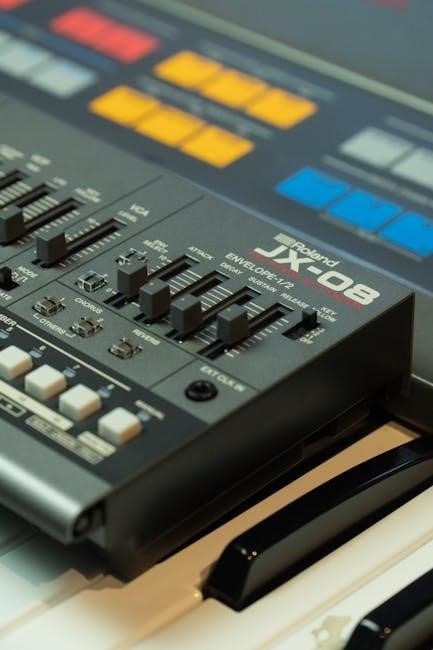
The Roland Juno-DS control panel is meticulously designed for immediate access to essential functions, streamlining your workflow․ Dominating the center are the category buttons, allowing quick selection of diverse sound palettes – pianos, strings, synths, and more․ To the right, you’ll find dedicated buttons for patch selection, favorite sounds, and instant access to commonly used effects․

Below the display screen, a comprehensive array of knobs and sliders provides real-time control over parameters like volume, pan, effects sends, and filter cutoff․ These tactile controls offer a hands-on experience, perfect for live performance and expressive sound shaping․ The pitch bend and modulation wheels are strategically positioned for intuitive manipulation․ Further enhancing usability, dedicated buttons manage arpeggiator functions, chord progressions, and split/layer configurations․ The panel’s layout prioritizes clarity and efficiency, ensuring a smooth and inspiring creative process․

Display Screen Navigation

The Juno-DS’s display screen serves as your central hub for accessing and modifying all instrument parameters․ Navigation is primarily achieved through the cursor keys – up, down, left, and right – allowing precise selection within menus and settings․ The ‘Enter’ button confirms selections, while the ‘Escape’ button returns to the previous screen․

The screen is logically organized into tabs representing different sections like ‘Voice Edit’, ‘Common’, and ‘System’․ Each tab reveals a dedicated set of parameters․ Utilizing the ‘Shift’ button unlocks secondary functions assigned to many controls, expanding the range of accessible options․ A clear visual hierarchy and intuitive labeling ensure ease of use, even for beginners․ The screen also displays real-time information such as patch names, parameter values, and MIDI activity, providing constant feedback during operation․

Knobs, Buttons, and Sliders – Functionality

The Juno-DS boasts a highly intuitive control surface, featuring a collection of knobs, buttons, and sliders designed for immediate and expressive manipulation of sound․ Knobs are primarily used for real-time parameter adjustments, offering tactile control over elements like volume, cutoff frequency, and resonance․ Buttons provide quick access to essential functions, including patch selection, arpeggiator control, and effects activation․

Sliders are ideal for dynamic control of multiple parameters simultaneously, such as adjusting the levels of different sound layers․ Many controls feature dual functionality, accessible via the ‘Shift’ button, expanding their versatility․ The layout is carefully considered, grouping related controls for efficient workflow․ Visual feedback is provided through the display screen, clearly indicating the current value of each parameter as it’s adjusted․

Sound Generation & Editing

Explore a vast sonic palette! The Juno-DS excels at sound creation, offering diverse presets and powerful editing capabilities for unique musical expression․

Preset Sounds and Categories

The Roland Juno-DS boasts an extensive library of pre-programmed sounds, meticulously crafted to inspire creativity across numerous musical genres․ These sounds are thoughtfully organized into easily navigable categories, streamlining your workflow and allowing for quick access to desired tones․ Expect to find dedicated sections for pianos – encompassing everything from bright concert grands to intimate electric pianos – alongside lush strings, powerful brass arrangements, and evocative synth pads․

Further categories include realistic guitars, vibrant organs, dynamic drums and percussion, and a wide array of unique effects and atmospheric textures․ The Juno-DS doesn’t limit itself to traditional instruments; it also features a substantial collection of cutting-edge synth sounds, ranging from classic analog emulations to modern, digitally-crafted tones․ Each category is further subdivided, offering variations and specialized sounds within the broader theme, ensuring you’ll always find the perfect starting point for your musical ideas․

Selecting and Modifying Patches

Navigating and utilizing the Juno-DS’s extensive sound library is remarkably intuitive․ Patches are primarily selected using the category buttons and data dial, allowing you to quickly browse through the available sounds․ Once a patch is chosen, the current settings are displayed on the screen, providing a clear overview of the sound’s parameters․ Modifying patches is equally straightforward; simply select the parameter you wish to adjust using the dedicated knobs and sliders;

Real-time tweaking is encouraged, allowing for dynamic sound shaping during performance․ For deeper editing, the Juno-DS offers access to a comprehensive set of parameters, enabling precise control over every aspect of the sound․ Changes can be saved as new patches, preserving your customized creations for future use․ Remember to utilize the patch compare function to A/B your modifications against the original sound․

Using the Tone Generator (Sound Engine)

The Juno-DS boasts a powerful tone generator, combining PCM-based sounds with analog-style synthesis․ Understanding its core components unlocks the instrument’s full potential․ The engine utilizes a multi-timbral architecture, allowing for layering of multiple sounds simultaneously․ Each patch leverages a combination of oscillators, filters, and amplifiers to create its unique sonic character․

The Juno-DS excels at recreating classic Roland sounds, while also offering a wide range of contemporary textures․ Experimenting with the various oscillator waveforms and filter types is key to crafting custom sounds․ The built-in effects processor further enhances the sonic palette, providing reverb, chorus, and other essential effects․ Mastering the tone generator is fundamental to achieving professional-quality sounds․

Editing Parameters: PCM, Analog, and Effects

The Juno-DS provides extensive editing capabilities across its PCM, analog, and effects sections․ PCM sounds can be adjusted via filter, amplitude, and pitch envelopes, shaping their dynamic response․ Analog-style parameters include oscillator detune, pulse width modulation, and resonance, allowing for classic synth tones․ Deep editing unlocks nuanced control over each sound element․

The effects engine offers a wide array of processors, including chorus, reverb, delay, and distortion; Each effect features adjustable parameters like depth, rate, and feedback․ Experimentation is encouraged to create unique sonic textures․ Careful parameter adjustments can dramatically alter a sound’s character, transforming subtle nuances into impactful sonic statements․ Mastering these controls is vital for sound design․

Performance Features

Unleash your musical creativity! Explore split and layer functions, arpeggiators, chord progressions, and real-time modulation for dynamic, expressive performances with the Juno-DS․

Split and Layer Functions

Expanding Sonic Possibilities: The Roland Juno-DS excels at performance versatility, largely due to its powerful split and layer functions․ Split mode allows you to divide the keyboard into two independent zones, assigning different sounds to each․ Imagine a piano in the left hand and strings in the right – instantly achievable! This is perfect for recreating orchestral arrangements or complex instrumental parts live․

Layer mode, conversely, stacks two sounds on top of each other across the entire keyboard․ Combine a warm pad with a bright lead, or a bass with a shimmering bell – the possibilities are endless․ You can adjust the volume balance between the layered sounds for precise control․ Furthermore, the Juno-DS allows for independent effects processing on each layer or split zone, adding depth and character to your performances․ Experiment with different combinations to discover unique and inspiring textures!

Arpeggiator Settings and Usage

Unleashing Rhythmic Creativity: The Roland Juno-DS’s arpeggiator is a powerful tool for generating dynamic and evolving sequences․ Accessing the arpeggiator is straightforward; simply select an arpeggiator pattern and hold a chord․ The Juno-DS will then automatically play the notes of the chord in a rhythmic sequence․

Customization is Key: You can adjust the arpeggiator’s speed, octave range, and pattern to create a wide variety of effects․ Choose from numerous pre-programmed patterns, or create your own custom patterns for truly unique sounds․ The arpeggiator also features a latch function, allowing it to continue playing even after you release the chord․ Experiment with different sounds and settings to build complex textures and driving rhythms․ It’s a fantastic tool for live performance and music production!

Chord Progression Features

Harmonic Inspiration at Your Fingertips: The Roland Juno-DS simplifies creating rich and complex chord progressions with its dedicated chord progression features․ This function allows you to quickly build harmonic foundations for your music, even if you’re not a seasoned keyboard player․ Select from a library of pre-defined chord progressions, or easily create your own custom progressions;

Intuitive Control & Versatility: The Juno-DS lets you trigger these progressions with a single key press, freeing up your other hand for performance or sound editing․ Adjust the key, scale, and voicing of the progressions to perfectly match your musical vision․ This feature is incredibly useful for songwriting, live performance, and exploring new harmonic ideas․ Experiment with different combinations to unlock a world of musical possibilities!

Real-Time Control with Modulation

Expressive Performance is Key: The Roland Juno-DS empowers you to shape your sound dynamically with extensive real-time modulation capabilities․ Utilize the modulation wheel, pitch bend lever, and assignable knobs and sliders to introduce vibrato, tremolo, filter sweeps, and other expressive effects on the fly․

Deep Parameter Control: Beyond standard modulation, the Juno-DS allows you to assign modulation sources to a wide range of parameters, giving you precise control over every nuance of your sound․ This opens up a world of sonic textures and allows for incredibly responsive and engaging performances․ Explore LFOs, envelopes, and velocity sensitivity to create truly unique and personalized sounds․ Experiment and discover the full expressive potential of the Juno-DS!

Connectivity and External Devices

Seamless Integration: Explore versatile connectivity options, including MIDI, USB, and audio outputs, to effortlessly integrate the Juno-DS with your existing setup and devices․

MIDI Implementation and Connections

Comprehensive MIDI Control: The Roland Juno-DS boasts extensive MIDI implementation, allowing for seamless communication with other MIDI-equipped instruments, computers, and controllers․ Utilize the rear panel MIDI IN and OUT ports for traditional MIDI connectivity, enabling the Juno-DS to both send and receive MIDI data․

MIDI Channels & Modes: Configure the Juno-DS to operate on any MIDI channel (1-16) and select from various MIDI modes – including Single, Omni, and specific channel reception – to tailor its responsiveness to your setup․ MIDI data can control patch changes, volume, pan, modulation, and other parameters․

System Exclusive (SysEx) Support: The Juno-DS supports SysEx messages for advanced data transfer and backup of patches and settings․ Explore the MIDI implementation chart in the full manual for a detailed list of supported SysEx commands․ Proper MIDI cabling and configuration are crucial for reliable performance․

Audio Output Options (L/Mono, R)

Versatile Audio Connectivity: The Roland Juno-DS provides flexible audio output options to suit diverse performance and recording scenarios․ Located on the rear panel, you’ll find dedicated Left (L) and Right (R) ¼-inch TS outputs for stereo operation, delivering a wide and immersive soundstage․

Mono Summing Capability: For situations requiring a mono signal, the Juno-DS offers a convenient mono summing function․ This combines the left and right channels into a single mono output, ideal for PA systems or mono recording setups․ Ensure proper cable connections for optimal audio quality․

Output Level Control: Adjust the overall output level using the master volume control to match the Juno-DS’s signal to your mixing console or audio interface․ Careful level management prevents clipping and ensures a clean, professional sound․ Experiment with different output configurations to find what best suits your needs․

USB Connectivity for Data Transfer

Seamless Data Management: The Roland Juno-DS features a USB port enabling convenient data transfer between the instrument and your computer․ This allows for easy backup and restoration of patches, performances, and system settings, safeguarding your creative work․

File Compatibility: The Juno-DS supports standard USB storage devices, facilitating quick and straightforward file exchange․ You can directly load and save data without the need for specialized hardware or software, streamlining your workflow․

Simple Connection Process: Connect the Juno-DS to your computer using a standard USB cable․ The instrument will appear as a removable drive, allowing you to drag and drop files effortlessly․ Refer to the official Roland website for compatible operating systems and detailed instructions․

Connecting to a Computer for Editing

Unlock Advanced Editing Capabilities: To fully harness the Juno-DS’s potential, connect it to a computer utilizing Roland’s dedicated editor software․ This unlocks a deeper level of parameter control and patch creation beyond the front panel interface․

Software Installation & Driver Setup: Download the latest Juno-DS editor software and necessary USB drivers from the official Roland website․ Follow the installation instructions carefully to ensure seamless communication between your computer and the synthesizer․

Real-Time Parameter Control: The editor provides a visual representation of all Juno-DS parameters, allowing for precise adjustments and real-time editing․ Explore advanced features and create unique sounds tailored to your musical vision․ Detailed instructions are available in the software’s help section․

Advanced Features & Troubleshooting

Explore deeper functionalities and resolve potential issues with this section, covering DAW integration, system calibration, common problems, and firmware updates․

Using the Juno-DS with DAW Software

Seamlessly integrate your Roland Juno-DS into your Digital Audio Workstation (DAW) environment for expanded production capabilities․ The Juno-DS functions exceptionally well as a MIDI controller, transmitting note data, pitch bend, and modulation information to your chosen DAW․

For audio integration, utilize the Juno-DS’s USB audio interface; This allows you to route individual channels or a stereo mix directly into your DAW for recording․ Ensure you select the Juno-DS as the audio input device within your DAW’s settings․

Furthermore, explore the possibilities of using the Juno-DS’s sounds within your DAW․ You can record MIDI data played on the Juno-DS and then assign those MIDI notes to virtual instruments within your DAW․ This unlocks a vast sonic palette, combining the Juno-DS’s character with the flexibility of software instruments․ Remember to consult your DAW’s documentation for specific setup instructions․

System Settings and Calibration

Optimizing your Roland Juno-DS begins with understanding its system settings․ Access these via the ‘Utility’ menu on the display screen․ Here, you can adjust global parameters like master volume, MIDI clock settings, and display brightness․ Regularly check and, if necessary, calibrate the Juno-DS’s keybed velocity response to match your playing style․

The calibration process ensures accurate dynamic expression․ Navigate to the velocity calibration setting within the Utility menu and follow the on-screen prompts․

Additionally, explore the ‘Reset’ options to restore factory settings if needed․ Be cautious when using reset functions, as they will erase custom patches and settings․ Proper system configuration and occasional calibration contribute significantly to a consistent and enjoyable playing experience with your Juno-DS․

Troubleshooting Common Issues (No Sound, MIDI Problems)

Encountering issues? Let’s address common problems with your Roland Juno-DS․ If you experience no sound, first verify the volume knob is turned up and headphones are correctly connected․ Check the patch selection – ensure a sound-producing patch is active․ MIDI issues often stem from incorrect cable connections or conflicting MIDI channels․

Confirm your MIDI interface is properly recognized by your computer and the Juno-DS is set to the correct MIDI transmit/receive channel․ If problems persist, try a different MIDI cable․

For persistent issues, a factory reset (accessed through the Utility menu – use with caution!) can resolve software glitches․ Consult the official Roland support website for detailed troubleshooting guides and FAQs․

Firmware Updates and Installation

Keeping your Roland Juno-DS up-to-date is crucial for optimal performance and access to new features․ Regularly check the Roland website for available firmware updates․ Download the latest version specifically for the Juno-DS and carefully read the accompanying release notes – these detail improvements and any necessary precautions․

Firmware installation typically involves transferring the update file to a USB flash drive, then using the Juno-DS’s utility menu to initiate the update process․ Important: Do not interrupt the update process, as this could damage the instrument․

Ensure the Juno-DS has sufficient power during the update․ Following the on-screen instructions precisely is vital for a successful installation․ Refer to the official Roland support documentation for detailed, step-by-step guidance․

Manual Resources & Support

Access the official Roland Juno-DS manual online for detailed information, plus explore Roland Support’s website and helpful FAQs for assistance․

Locating the Official Roland Juno-DS Manual Online

Finding the official Roland Juno-DS manual is straightforward and crucial for maximizing your instrument’s potential․ Roland provides a readily accessible digital version of the complete user manual on their official website․ To locate it, simply navigate to the Roland website (www․roland․com) and proceed to the “Support” section․ Within the Support area, utilize the product search function, entering “Juno-DS” to filter the results․

You’ll then find a dedicated support page for the Juno-DS, prominently featuring a link to download the PDF manual․ This downloadable manual offers a comprehensive overview of all features, functions, and specifications․ Ensure you download the latest version, as updates may include corrections or expanded information․ Alternatively, a direct link can often be found through a quick web search using terms like “Roland Juno-DS manual PDF”․ Having this digital resource readily available will greatly enhance your learning and troubleshooting experience․

Roland Support Website and FAQs

The Roland Support website is an invaluable resource for Juno-DS owners, offering a wealth of information beyond the downloadable manual․ It’s designed to assist users with any questions or issues they may encounter․ The website features a comprehensive Frequently Asked Questions (FAQ) section, addressing common problems and providing quick solutions․ These FAQs cover topics ranging from basic operation to advanced settings and troubleshooting․

Beyond the FAQs, Roland’s support portal provides access to knowledge base articles, tutorial videos, and driver downloads․ You can also submit support requests directly to Roland’s technical support team if you require personalized assistance․ The website’s search functionality allows you to quickly locate relevant information․ Regularly checking the Roland Support website ensures you stay informed about updates, firmware releases, and helpful tips for your Juno-DS․

Community Forums and User Groups

Engaging with the Roland Juno-DS community offers a fantastic avenue for learning and support․ Numerous online forums and user groups are dedicated to Roland synthesizers, including the Juno-DS․ These platforms provide a space to connect with fellow musicians, share experiences, and ask questions․ Experienced users often contribute valuable tips, tricks, and patch creations․

Popular forums allow you to search existing threads for solutions to common problems or start new discussions to address specific challenges․ User groups frequently organize online collaborations and share resources like custom patches and performance setups․ Participating in these communities can significantly enhance your understanding of the Juno-DS and unlock its full potential․ It’s a great way to expand your musical network and learn from others’ expertise․

Categories
PDF

spanish lease agreement pdf

Understanding Spanish Lease Agreements (Contrato de Arrendamiento)

Finding a Spanish Lease Agreement PDF requires exploring official government resources and reliable online legal templates for accurate documentation and legal compliance.

What is a Spanish Lease Agreement?

A Spanish Lease Agreement (Contrato de Arrendamiento) is a legally binding contract outlining the terms between a landlord (arrendador) and a tenant (arrendatario) for the rental of a property in Spain. Locating a reliable Spanish lease agreement PDF is crucial for both parties. These documents detail essential elements like rent, deposit, duration, and responsibilities.

SpanishDictionary.com offers translation assistance if needed. Accessing official government resources or vetted online templates ensures the agreement adheres to Spanish rental laws (Ley de Arrendamientos Urbanos ─ LAU). Carefully reviewing a PDF version allows for thorough understanding before signing, protecting both landlord and tenant rights. Professional legal advice is recommended for complex situations.

Key Differences from US/UK Lease Agreements

Spanish Lease Agreements, often found as a PDF, differ significantly from those in the US/UK. The Spanish system generally offers tenants greater security of tenure, making eviction more complex. Security deposits (fianza) are legally mandated and have strict return conditions. Rent control exists in some regions, unlike many US states.

Detailed inventory lists (inventario) are vital, especially for furnished properties. Spanish law emphasizes landlord responsibilities for property maintenance. Finding a compliant PDF template is key. SpanishDictionary.com can aid in understanding legal terminology. Always consult legal counsel to navigate these distinctions effectively.

Essential Components of a Spanish Lease Agreement

Essential components within a Spanish Lease Agreement PDF include details on parties, property specifics, lease duration, and financial obligations for both sides.

Parties Involved: Landlord (Arrendador) and Tenant (Arrendatario)

A Spanish Lease Agreement PDF meticulously identifies the Arrendador (Landlord) and the Arrendatario (Tenant). Full legal names, identification numbers (DNI/NIE for Spanish citizens/residents, Passport for foreigners), and addresses of both parties are crucial.

The document clearly establishes the legal relationship, outlining each party’s rights and responsibilities. Verification of ownership for the Landlord is often included or referenced. For companies acting as landlords, the company’s registration details are essential. Accurate identification ensures enforceability and avoids future disputes, making a comprehensive PDF vital for legal clarity.

Property Details (Descripción de la Vivienda)

A detailed Spanish Lease Agreement PDF includes a precise Descripción de la Vivienda. This section outlines the property’s complete address, including floor, door number, and any relevant details like urbanisation name.

It specifies the property type (apartment, house, etc.), number of rooms, and total square footage. Any included amenities – parking, storage, communal areas – are listed. A PDF version often references a floor plan or includes photographs as attachments. Accurate property details are vital for legal identification and prevent misunderstandings regarding the leased premises.

Duration of the Lease (Duración del Contrato)

A standard Spanish Lease Agreement PDF clearly states the Duración del Contrato, typically one year, automatically renewable for further yearly periods unless notice is given. The PDF will specify the exact start and end dates of the initial term.

Renewal clauses, outlining the process for extending the lease, are also included. Seasonal leases (Contrato de Arrendamiento de Temporada), detailed in some PDF templates, have shorter durations. Understanding the lease term and renewal conditions is crucial for both landlord and tenant, preventing automatic extensions or unexpected lease expirations.

Types of Spanish Lease Agreements

Spanish Lease Agreement PDFs showcase standard, seasonal, and furnished/unfurnished options, each with unique terms detailed within the document’s legal framework.

Standard Lease Agreement (Contrato de Arrendamiento de Vivienda)

A Standard Lease Agreement PDF, or Contrato de Arrendamiento de Vivienda, is the most common type for long-term residential rentals in Spain. These PDFs comprehensively outline the rights and obligations of both landlord and tenant, covering aspects like rent, deposit, and property usage.

Locating a sample PDF allows review of typical clauses. Government resources and legal template websites often provide downloadable examples. These agreements generally specify a minimum lease duration, often one year, with automatic renewal clauses.

Careful examination of the PDF is crucial, paying attention to details regarding utility bill responsibility, repair obligations, and conditions for lease termination. Understanding these elements ensures a legally sound and mutually beneficial rental arrangement.

Seasonal Lease Agreement (Contrato de Arrendamiento de Temporada)

A Seasonal Lease Agreement PDF, or Contrato de Arrendamiento de Temporada, caters to shorter-term rentals, typically for tourism or specific periods. These PDFs differ from standard leases, offering less tenant protection under Spanish law. Finding a reliable PDF example is vital for understanding the specific terms.

These agreements often lack automatic renewal clauses and may have different rules regarding rent increases. Government resources may offer templates, but legal websites are often more comprehensive.

Reviewing the PDF carefully is essential, focusing on clauses related to the lease duration, permitted use of the property, and responsibilities for maintenance and repairs during the seasonal period.

Furnished vs. Unfurnished Leases (Amueblado vs. Sin Amueblar)

A Spanish Lease Agreement PDF will clearly state whether the property is furnished (Amueblado) or unfurnished (Sin Amueblar). This distinction significantly impacts the inventory list, a crucial part of the PDF. For furnished properties, a detailed Inventario is essential, documenting the condition of each item.

Locating a PDF template specifically for furnished rentals ensures this inventory section is included.

Unfurnished leases will have a simpler inventory, focusing on the property’s structural elements. Carefully review the PDF to understand responsibilities for replacing or repairing furniture, as these differ based on the lease type.

Financial Aspects of a Spanish Lease

A Spanish Lease Agreement PDF details rent, payment schedules, security deposits (fianza), and utility bill responsibilities, outlining all financial obligations clearly.

Rent Amount (Renta) and Payment Schedule

The renta, or rent amount, is a crucial element detailed within a Spanish Lease Agreement PDF. This section explicitly states the monthly rental cost, typically in Euros (€), and specifies the accepted payment methods. A well-drafted PDF will outline the precise date each month rent is due, avoiding ambiguity.

Furthermore, the agreement clarifies how payments should be made – bank transfer is common, but other options might be included. Late payment penalties, if any, are also clearly defined. The PDF should also indicate if the rent includes any additional costs, such as community fees (gastos de comunidad), or if these are a separate expense for the tenant. Understanding this section is vital for both landlords and tenants to ensure a smooth financial arrangement.

Security Deposit (Fianza) ─ Amount and Return Conditions

The fianza, or security deposit, is a legally mandated component of any standard Spanish Lease Agreement PDF. Typically, it equates to one month’s rent, though regional variations exist. The PDF meticulously details the conditions for its return upon lease termination.

Landlords are legally obligated to return the deposit within 30 days of the tenant vacating the property, provided there’s no damage beyond normal wear and tear. The PDF should specify acceptable reasons for deductions, such as unpaid rent or property damage. A detailed inventory list (inventario), often included as an appendix to the PDF, is crucial for assessing any damages accurately.

Utility Bills (Suministros) ‒ Responsibility of Landlord/Tenant

A Spanish Lease Agreement PDF clearly outlines responsibility for suministros – utility bills. Traditionally, tenants are responsible for paying utilities like electricity, water, and gas, often transferring accounts into their name upon moving in. However, the PDF may specify different arrangements.

Landlords generally handle community fees (gastos de comunidad), but this should be explicitly stated. The PDF should detail which utilities are included in the rent, if any. It’s crucial to understand the process for setting up and cancelling utility accounts, as outlined in the PDF, to avoid unexpected charges or service interruptions. Careful review prevents disputes regarding payment obligations.

Payment Methods Accepted

A Spanish Lease Agreement PDF will detail acceptable payment methods for renta. Direct debit (domiciliación bancaria) is increasingly common, offering convenience and ensuring timely payments. Bank transfer (transferencia bancaria) is also widely accepted, requiring tenants to initiate payments manually.

Less frequent are cash payments (efectivo), which landlords may or may not accept, and should be clearly stated in the PDF. The PDF should specify the bank account details for transfers and any associated fees. Understanding the preferred method, as outlined in the PDF, avoids potential issues and ensures a smooth rental experience. Confirming details prevents misunderstandings.

Rights and Responsibilities

A Spanish Lease Agreement PDF clearly defines landlord and tenant obligations, outlining repair duties, property use, and adherence to Spanish rental laws.

Landlord’s Responsibilities (Obligaciones del Arrendador)

A comprehensive Spanish Lease Agreement PDF meticulously details the landlord’s obligations. Primarily, the landlord must deliver the property in a habitable condition, ensuring it meets all necessary standards for safe and comfortable living. This includes maintaining the structural integrity of the building and keeping essential services, like water and electricity, functioning correctly.

Furthermore, landlords are responsible for major repairs not caused by tenant negligence. They must also respect the tenant’s right to peaceful enjoyment of the property, avoiding unnecessary intrusions. The PDF should clearly outline procedures for addressing repair requests and the timeframe for completion, safeguarding both parties’ rights and expectations within the legal framework of Spanish rental laws.

Tenant’s Responsibilities (Obligaciones del Arrendatario)

A detailed Spanish Lease Agreement PDF clearly defines the tenant’s obligations. Tenants are primarily responsible for using the property responsibly and maintaining it in good condition, preventing damage beyond normal wear and tear. They must promptly report any necessary repairs to the landlord, allowing for timely maintenance.

Furthermore, tenants are obligated to pay rent on time, as stipulated in the agreement, and adhere to any building rules or community guidelines. The PDF should also outline responsibilities regarding utility payments, if applicable, and restrictions on alterations or subletting. Upholding these duties ensures a harmonious landlord-tenant relationship, guided by legal clarity.

Repair Obligations (Reparaciones)

A comprehensive Spanish Lease Agreement PDF meticulously details repair responsibilities. Generally, landlords are obligated to maintain the structural integrity of the property and address issues affecting habitability, like plumbing or electrical faults. Tenants are typically responsible for minor repairs resulting from their negligence or misuse.

The PDF should specify the process for reporting repairs – often in writing – and the timeframe for the landlord’s response. It’s crucial to understand what constitutes an emergency repair requiring immediate attention. Clear delineation of these obligations, as outlined in the document, prevents disputes and ensures a well-maintained rental property.

Lease Termination

Lease Termination details within a Spanish Lease Agreement PDF outline notice periods, early termination clauses, and valid reasons for eviction procedures.

Notice Periods (Preaviso) ─ Landlord and Tenant

Within a Spanish Lease Agreement PDF, understanding preaviso – notice periods – is crucial for both landlords and tenants. Typically, tenants must provide 30 days’ notice for lease termination, though this can vary based on the agreement’s specifics and the lease duration. Landlords generally require more extended notice, often two months, particularly for renewals or non-renewal.

The PDF document will detail these timelines, outlining the correct procedures for delivering notice, usually in writing via registered mail. Failing to adhere to these notice periods can result in financial penalties, such as forfeiting the security deposit or being liable for continued rent; Carefully reviewing the PDF’s clauses regarding preaviso is essential for a smooth and legally sound lease conclusion.

Early Termination Clauses (Cláusulas de Resolución Anticipada)

A Spanish Lease Agreement PDF frequently includes cláusulas de resolución anticipada – early termination clauses. These outline conditions under which a tenant can end the lease before its scheduled end date. Typically, these clauses involve a penalty, often one or two months’ rent, to compensate the landlord.

The PDF will specify the exact penalty amount and the required notice period for early termination. Some agreements may allow termination without penalty under specific circumstances, like job relocation. Thoroughly examining the PDF’s early termination clause is vital before signing, as it details your financial obligations if you need to leave prematurely. Understanding these terms prevents unexpected costs and legal disputes.

Reasons for Eviction (Desahucio)

A comprehensive Spanish Lease Agreement PDF will detail the grounds for eviction, known as desahucio. Common reasons include non-payment of rent, a serious breach of contract terms, or using the property for illegal activities. The PDF outlines the legal process the landlord must follow for eviction, which typically involves a formal notice period and a court order.

The PDF should specify the timeframe for rectifying the issue before eviction proceedings begin. Understanding these reasons, as detailed in the PDF, is crucial for tenants. It’s important to note that Spanish law protects tenants, and landlords must adhere strictly to the legal process to avoid invalidating the eviction.

Important Clauses to Review

Important Clauses to Review within a Spanish Lease Agreement PDF include inventory lists, pet policies, and subletting rules for clarity and legal protection.

Inventory List (Inventario) ─ Especially for Furnished Properties

When reviewing a Spanish Lease Agreement PDF, the Inventario (Inventory List) is crucial, particularly for furnished properties. This detailed document meticulously lists every item provided within the rental, including furniture, appliances, and even decorative elements. Each item’s condition should be explicitly noted – any existing damage must be documented with descriptions or, ideally, photographs.

Both landlord and tenant should carefully sign and date this inventory upon lease commencement. This protects both parties; the tenant isn’t held liable for pre-existing damage, and the landlord has proof of the property’s contents. A thorough inventory minimizes disputes upon lease termination regarding potential damages or missing items. Always request a copy for your records!

Pet Policies (Mascotas)

Carefully examine the Spanish Lease Agreement PDF for clauses regarding Mascotas (Pets). Spanish rental agreements often have specific stipulations about pet ownership, ranging from outright prohibitions to restrictions on size, breed, or number of animals. Some landlords may require an additional deposit (fianza) to cover potential pet-related damages.

The agreement should clearly outline any associated fees or responsibilities, such as cleaning requirements or limitations on common area access. Ignoring these clauses can lead to lease violations and potential eviction. Always confirm pet policies before signing, and obtain written confirmation if a landlord verbally approves a pet.

Subletting Rules (Subarriendo)

Review the Spanish Lease Agreement PDF meticulously for clauses concerning Subarriendo (Subletting). Many Spanish leases strictly prohibit subletting without explicit written consent from the landlord (Arrendador). Some agreements may permit subletting under specific conditions, such as a maximum rental period or tenant screening requirements.

Violating subletting restrictions can result in significant penalties, including lease termination and legal action. The document should detail the process for requesting permission to sublet, including any required documentation or fees. Always obtain written approval before subletting a property to avoid disputes.

Finding a Spanish Lease Agreement PDF

Locate official government resources, explore online legal templates, and consider seeking legal advice to obtain a valid Spanish lease agreement PDF.

Official Government Resources

Accessing Spanish lease agreement templates directly from governmental sources ensures authenticity and adherence to current legislation. While a centralized national repository isn’t readily available, regional and local authorities often provide sample contracts or links to approved models. The Ministerio de Vivienda y Agenda Urbana (Ministry of Housing and Urban Agenda) website can be a starting point, potentially directing you to relevant regional resources.

Furthermore, autonomous communities (like Catalonia, Andalusia, or Valencia) frequently publish housing-related legal documents, including lease agreements, on their official websites. Searching for “contrato de arrendamiento vivienda” plus the specific autonomous community’s name will yield relevant results. These official PDFs offer a secure and legally sound foundation for your rental agreement, minimizing potential disputes.

Online Legal Templates

Numerous websites offer downloadable Spanish lease agreement (contrato de arrendamiento) templates in PDF format. However, exercising caution is crucial when utilizing these resources. Platforms like LegalContracts.com and RocketLawyer (with Spanish language options) provide templates, often requiring a subscription or one-time fee. Ensure the template is updated to reflect the latest Spanish rental laws (Ley de Arrendamientos Urbanos ─ LAU) and local regulations.

Always review the template thoroughly, and consider consulting with a legal professional to tailor it to your specific circumstances. Free templates are available, but their quality and legal accuracy can vary significantly. Prioritize reputable sources and verify the information before signing any agreement.

Seeking Legal Advice

Navigating a Spanish lease agreement (contrato de arrendamiento) can be complex, especially for non-native speakers. Consulting with a Spanish lawyer specializing in property law is highly recommended, even if utilizing a PDF template. A legal professional can review the agreement, ensuring it protects your rights and complies with current legislation, including the Ley de Arrendamientos Urbanos (LAU).

They can also explain specific clauses, address potential issues, and assist with negotiations. While incurring a cost, legal advice provides peace of mind and minimizes the risk of future disputes. Locate qualified lawyers through the Spanish Bar Association (Colegio de Abogados) or online legal directories.

Legal Considerations

Spanish rental laws (LAU) and local regulations govern lease agreements; understanding these is crucial when reviewing any Spanish lease agreement PDF document.

Spanish Rental Laws (Ley de Arrendamientos Urbanos ‒ LAU)

The Ley de Arrendamientos Urbanos (LAU) is the foundational legislation governing rental agreements in Spain, and any Spanish lease agreement PDF must adhere to its stipulations. This law outlines the rights and obligations of both landlords and tenants, covering aspects like rent control (though increasingly limited), security deposit regulations, and eviction procedures.

Understanding the LAU is paramount when reviewing a lease PDF, as it dictates the legal framework for the entire tenancy. Key areas include the minimum lease duration, renewal conditions, and the process for modifying rental terms. The LAU also addresses habitability requirements, ensuring properties meet basic living standards. Familiarizing yourself with this law, alongside any regional variations, provides crucial protection and clarity when entering into a rental agreement in Spain.

Local Regulations (Normativa Local)

While the Ley de Arrendamientos Urbanos (LAU) provides a national framework, Spanish rental law is significantly impacted by Normativa Local – regional and municipal regulations. When examining a Spanish lease agreement PDF, it’s crucial to investigate any local ordinances that might supersede or supplement the LAU.

These local rules can cover areas like tourist rental restrictions, specific deposit limits, or requirements for energy efficiency certificates. Certain cities may have stricter habitability standards or rent control measures. Therefore, a comprehensive review of a lease PDF necessitates checking the relevant local council’s website or seeking legal advice to ensure full compliance with all applicable regulations in the specific location.

Resources for Translation and Understanding

SpanishDictionary.com offers free translation, pronunciation guides, and vocabulary lessons, aiding comprehension of complex legal terms within a Spanish lease agreement PDF.

Spanish-English Dictionaries (SpanishDictionary.com)

When navigating a Spanish lease agreement PDF, precise understanding of legal terminology is crucial. SpanishDictionary.com proves invaluable, offering comprehensive translations beyond simple word-for-word definitions. It provides contextual examples, helping to grasp the nuances of phrases like “fianza” (security deposit) or “desahucio” (eviction).

Furthermore, the site’s pronunciation videos are exceptionally helpful for correctly interpreting spoken agreements or discussions with landlords. Syllable breakdowns and native speaker recordings ensure accurate comprehension. Beyond direct translation, SpanishDictionary.com features expert articles explaining complex grammar points – such as the difference between “por” and “para” – which can impact lease interpretations. This resource empowers tenants and landlords alike to confidently navigate the intricacies of Spanish rental contracts.

Professional Translation Services

While online dictionaries are helpful, a Spanish lease agreement PDF demands the accuracy only professional translation services can provide. Legal documents require precise interpretation to avoid misunderstandings with potentially costly consequences. Qualified translators specializing in legal terminology ensure all clauses are accurately conveyed, safeguarding your rights and obligations.

These services go beyond literal translation, considering the legal context and regional variations within Spain. They can identify ambiguous phrasing or hidden clauses that might be overlooked by non-experts. Investing in professional translation offers peace of mind, guaranteeing a complete and reliable understanding of the contract before signing. This is particularly vital if you’re unfamiliar with Spanish rental laws or lack fluency in the language.