
Silent Knight 5820XL User Manual: A Comprehensive Guide
This manual details the IntelliKnight 5820XL’s operation, covering system components, programming, maintenance, and troubleshooting, alongside software suite integration for optimal fire safety.
The Silent Knight 5820XL is a powerful and versatile fire alarm control panel (FACP) designed for a wide range of applications, from small commercial buildings to large, complex facilities. This manual serves as a comprehensive guide for installers, technicians, and end-users, providing detailed instructions on system operation, programming, and maintenance.
Understanding the 5820XL’s capabilities is crucial for ensuring reliable fire detection and life safety. The system integrates seamlessly with the Silent Knight Software Suite, offering advanced features like event logging, reporting, and remote access. It’s designed to address the challenges of early cancer detection, mirroring the need for prompt response in fire safety. Like managing infant reflux, proactive system checks are vital. The 5820XL aims to minimize “silent” issues, similar to silent heart attacks, by providing clear indications and robust functionality.
System Components and Overview
The Silent Knight 5820XL system comprises several key components working in harmony to provide comprehensive fire protection. These include the main control panel, keypads for user interaction, notification appliances (horns, strobes), initiating devices (pull stations, smoke detectors, heat detectors), and a battery backup system for uninterrupted operation during power outages.
The control panel serves as the central hub, processing signals from initiating devices and activating notification appliances. Like Barrett’s esophagus requiring attention to acid reflux, the system demands regular checks. The 5820XL’s architecture allows for flexible zoning, enabling precise identification of fire locations. Similar to diagnosing silent heart attacks, prompt signal analysis is critical. Integration with the Silent Knight Software Suite facilitates detailed event logging and reporting, mirroring insights gained from cancer research. Proper component understanding ensures effective system performance.
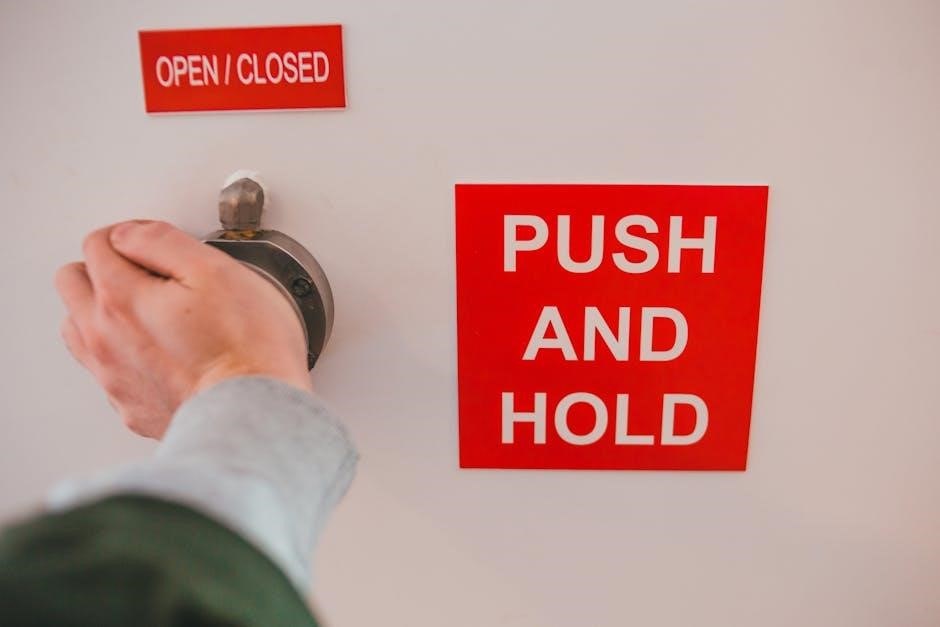
Understanding the Control Panel
The control panel is the system’s brain, processing signals from devices and activating alarms; it requires familiarity with its features for effective operation.
Keypad Functions and Navigation
The Silent Knight 5820XL keypad provides a user-friendly interface for interacting with the fire alarm system; Essential functions include acknowledging alarms, silencing trouble signals, and navigating through system menus. Typically, a combination of numeric keys and function keys – such as “Enter,” “Esc,” and directional arrows – are utilized for control.
To access various system functions, users may need to enter authorized user codes. The keypad’s display will guide you through the navigation process, presenting options and prompts. Understanding the specific key assignments and menu structure is crucial for efficient operation. Refer to the system programming documentation for details on customized keypad configurations and user access levels. Proper navigation ensures quick responses during emergencies and simplifies routine system maintenance tasks.
LED Indicators and Their Meanings
The Silent Knight 5820XL control panel utilizes a series of LED indicators to communicate system status at a glance. These indicators provide vital information regarding alarm conditions, trouble states, and system supervision. A steady red LED typically signifies an active alarm, while a flashing red LED may indicate a pre-alarm or alarm verification.
Yellow LEDs often denote trouble conditions, such as a communication fault or a low battery. Green LEDs generally indicate normal system operation and supervision. Specific LED patterns and combinations can pinpoint the exact nature of the issue. Consulting the panel’s documentation is essential for accurate interpretation. Understanding these visual cues allows for rapid assessment and appropriate response to any system event, ensuring prompt action during emergencies.
Display Messages and Troubleshooting
The Silent Knight 5820XL’s display provides crucial diagnostic messages, aiding in efficient troubleshooting. Error codes pinpoint specific faults, like zone supervision failures or communication issues. Common messages include “Low Battery,” “Communication Lost,” or specific zone tamper alerts.
Referencing the comprehensive error code list within this manual is paramount for accurate diagnosis. Troubleshooting often involves verifying wiring connections, checking device power, and confirming proper programming. If a message persists, consult the system documentation or a qualified technician. Ignoring display messages can compromise system reliability. Regular system testing, as outlined in the maintenance section, helps proactively identify and resolve potential issues before they escalate into critical failures.

Fire Alarm System Operation
The 5820XL activates via manual pull stations or automatic detection, initiating alarm notification and evacuation procedures, ensuring swift response to fire events.
Initiating an Alarm (Manual Pull Stations)
Manual pull stations are a crucial component of the Silent Knight 5820XL fire alarm system, providing a readily accessible method for individuals to initiate an alarm in the event of a fire. To activate a pull station, firmly pull down on the handle; a clear and deliberate action is required to ensure proper activation and avoid false alarms.

Upon activation, the pull station immediately sends a signal to the control panel, triggering the system’s programmed response. This response typically includes audible alarms throughout the facility, visual notification via strobe lights, and transmission of the alarm signal to a central monitoring station, if connected.
It’s vital to remember that once activated, a manual pull station requires manual reset by authorized personnel using a key or specialized tool, preventing accidental re-activation. Regular inspection and testing of pull stations are essential to verify their functionality and ensure they are free from obstructions.
Automatic Detection (Smoke and Heat Detectors)
The Silent Knight 5820XL system relies heavily on automatic detection via smoke and heat detectors strategically placed throughout a protected area. Smoke detectors function by sensing airborne particles produced by combustion, triggering an alarm even before visible flames appear. Different types exist – photoelectric, best for smoldering fires, and ionization, more responsive to fast-flaming fires.
Heat detectors, conversely, respond to a rapid increase in temperature or when a pre-set temperature threshold is exceeded. These are ideal for environments where smoke detectors might be prone to false alarms, such as kitchens or dusty areas.
When a detector senses a fire condition, it sends a signal to the control panel, initiating the programmed alarm sequence. Regular testing and maintenance, including cleaning, are crucial for ensuring optimal performance and preventing false alarms or failures.
Alarm Notification and Evacuation Procedures

Upon alarm activation, the Silent Knight 5820XL initiates a pre-programmed notification sequence. This typically includes audible alarms – horns, bells, or chimes – designed to alert occupants throughout the building. Visual notification, such as strobe lights, are also crucial for individuals with hearing impairments.
Evacuation procedures should be clearly defined and regularly practiced. Designated evacuation routes, assembly points, and roles of personnel (e.g., fire wardens) must be well-understood. The system can be configured to activate voice evacuation messages, providing specific instructions to occupants.
It’s vital to remain calm and follow established procedures. Assist those needing help and proceed to the designated assembly point. Do not re-enter the building until authorized by emergency personnel. Regular drills are essential for ensuring a swift and safe evacuation.

Programming and Configuration
System programming allows customization of zone sensitivity, user access levels, and overall functionality via a secure mode, ensuring tailored fire protection.
Accessing System Programming Mode
Entering the programming mode on the Silent Knight 5820XL requires a valid master access code, safeguarding against unauthorized changes to the fire alarm system’s critical settings; Typically, this involves navigating through the control panel’s keypad using a specific sequence of key presses, often initiated by pressing and holding a designated “Program” or “Enter” key.
The system will then prompt for the master code, which must be entered correctly to proceed. Incorrect attempts may trigger a security lockout, requiring a reset procedure. Once authenticated, the display will indicate programming mode, allowing adjustments to zone configurations, detector sensitivities, user codes, and other system parameters. Remember to document all changes made during programming for future reference and troubleshooting purposes. Always consult the full manual for precise steps.
Zone Configuration and Sensitivity Adjustment
Proper zone configuration is crucial for accurate fire detection and notification. Each zone represents a specific area within the protected premises, allowing for pinpoint identification of alarm locations. Within the 5820XL’s programming mode, you can define zone names, assign devices (detectors, pull stations) to specific zones, and configure zone bypass options.
Sensitivity adjustment for detectors – smoke and heat – is equally important. Higher sensitivity increases the likelihood of detecting small events, but also raises the risk of false alarms. Lower sensitivity reduces false alarms but may delay detection. Adjustments should be made based on the specific environment and potential hazards, following NFPA guidelines. Careful calibration ensures reliable performance and minimizes unnecessary disruptions.
User Code Management and Access Levels
The Silent Knight 5820XL offers robust user code management, enabling administrators to control system access and functionality. Multiple user codes can be programmed, each assigned a specific access level. These levels determine which features and programming options are available to each user. For example, a “Master” code grants full access, while “Technician” codes may be limited to specific maintenance tasks.
Implementing a tiered access system enhances security and prevents unauthorized modifications. Regularly review and update user codes, especially when personnel changes occur. Strong passwords and secure storage of code lists are essential. Proper user code management safeguards the integrity of the fire alarm system and ensures only authorized individuals can make critical adjustments.

Maintenance and Troubleshooting
Regular testing, battery checks, and understanding fault codes are crucial for maintaining the Silent Knight 5820XL’s reliability and ensuring optimal fire protection performance.
Regular System Testing Procedures
Consistent system testing is paramount for verifying the operational readiness of your Silent Knight 5820XL fire alarm system. Weekly walk tests should be conducted, activating each manual pull station to confirm alarm signal transmission to the monitoring station and audible notification throughout the facility.

Smoke detector functionality can be tested using canned smoke, ensuring a prompt alarm response. Heat detector testing may involve simulating a temperature rise, adhering to manufacturer guidelines. Document all testing activities meticulously, recording dates, times, and any discrepancies encountered.
Furthermore, quarterly inspections by a qualified fire alarm technician are recommended to assess the overall system health, including battery backup capacity and panel programming integrity. These procedures guarantee reliable performance when needed most, safeguarding lives and property.
Battery Backup System Checks
The battery backup system is crucial for maintaining fire alarm functionality during power outages. Monthly checks should verify the batteries are adequately charged and capable of sustaining the system for the required duration – typically 24 hours. Visual inspections should confirm there’s no corrosion or physical damage to the batteries or connections.
Conduct a full battery load test annually, simulating a power failure to assess the system’s ability to seamlessly transition to battery power and maintain alarm operation. Document the voltage and current readings during the test.
Replace batteries according to the manufacturer’s recommendations, typically every 3-5 years, or sooner if load tests indicate diminished capacity. Proper battery maintenance ensures uninterrupted protection, even in the event of extended power disruptions.
Common Faults and Error Codes – Silent Knight 5820XL
The Silent Knight 5820XL utilizes error codes to diagnose system issues. A “Low Battery” indication requires immediate battery inspection and potential replacement. “Communication Failure” suggests a problem with the connection to peripheral devices, needing wiring checks. “Zone Supervision Failure” points to a fault within a specific detection zone, potentially a short or open circuit.
Regularly consult the system’s documentation for a comprehensive list of error codes and their corresponding troubleshooting steps. Addressing faults promptly prevents system compromise. A “Ground Fault” indicates an unintended connection to ground, requiring investigation of wiring.
Document all faults and corrective actions taken for future reference and preventative maintenance. Ignoring error codes can lead to system failure during an actual emergency.

Advanced Features
The 5820XL offers integration with Silent Knight software, enabling detailed event logging, comprehensive reporting, and flexible remote access and control capabilities.

Integration with Silent Knight Software Suite
The Silent Knight Software Suite significantly enhances the 5820XL’s functionality, providing a robust platform for system management and analysis. This integration allows for detailed configuration of zones, points, and user access levels, streamlining the programming process. Users can remotely monitor system status, acknowledge alarms, and generate comprehensive reports on system events.
The software facilitates advanced troubleshooting by providing access to historical data and diagnostic tools. It supports uploading and downloading system databases, simplifying maintenance and upgrades. Furthermore, the suite enables customized reporting tailored to specific facility needs, ensuring compliance with fire safety regulations. The IntelliKnight 5820XL and 5820XL-EVS are specifically designed to work seamlessly with this powerful software package, maximizing system performance and reliability.
Event Logging and Reporting
The Silent Knight 5820XL meticulously logs all system events, creating a detailed historical record for analysis and compliance. This includes alarm activations, trouble conditions, supervisory signals, and user interactions. The comprehensive event log provides valuable insights into system performance and potential issues, aiding in proactive maintenance.
Reporting capabilities allow users to generate customized reports based on specific criteria, such as time period, event type, or zone location. These reports can be exported in various formats for documentation and regulatory purposes. Integration with the Silent Knight Software Suite further enhances reporting functionality, enabling advanced data analysis and trend identification. Detailed records assist in understanding system behavior and optimizing fire safety protocols, ensuring a responsive and reliable system.
Remote Access and Control Options
The Silent Knight 5820XL offers robust remote access and control capabilities through integration with the Silent Knight Software Suite. Authorized users can monitor system status, acknowledge alarms, and perform certain control functions from a remote location via a secure network connection. This feature provides enhanced situational awareness and allows for quicker response times in emergency situations.
Remote access streamlines management, reducing the need for on-site visits for routine tasks. System administrators can remotely update programming, review event logs, and generate reports. Secure communication protocols ensure data integrity and prevent unauthorized access. These options are crucial for facilities with multiple locations or limited on-site personnel, providing a centralized and efficient fire alarm management solution.